
Orléans, Ontario · St. Joseph Blvd
Fuel Injector Cleaning in Orléans
Empowering customers to make informed decisions.
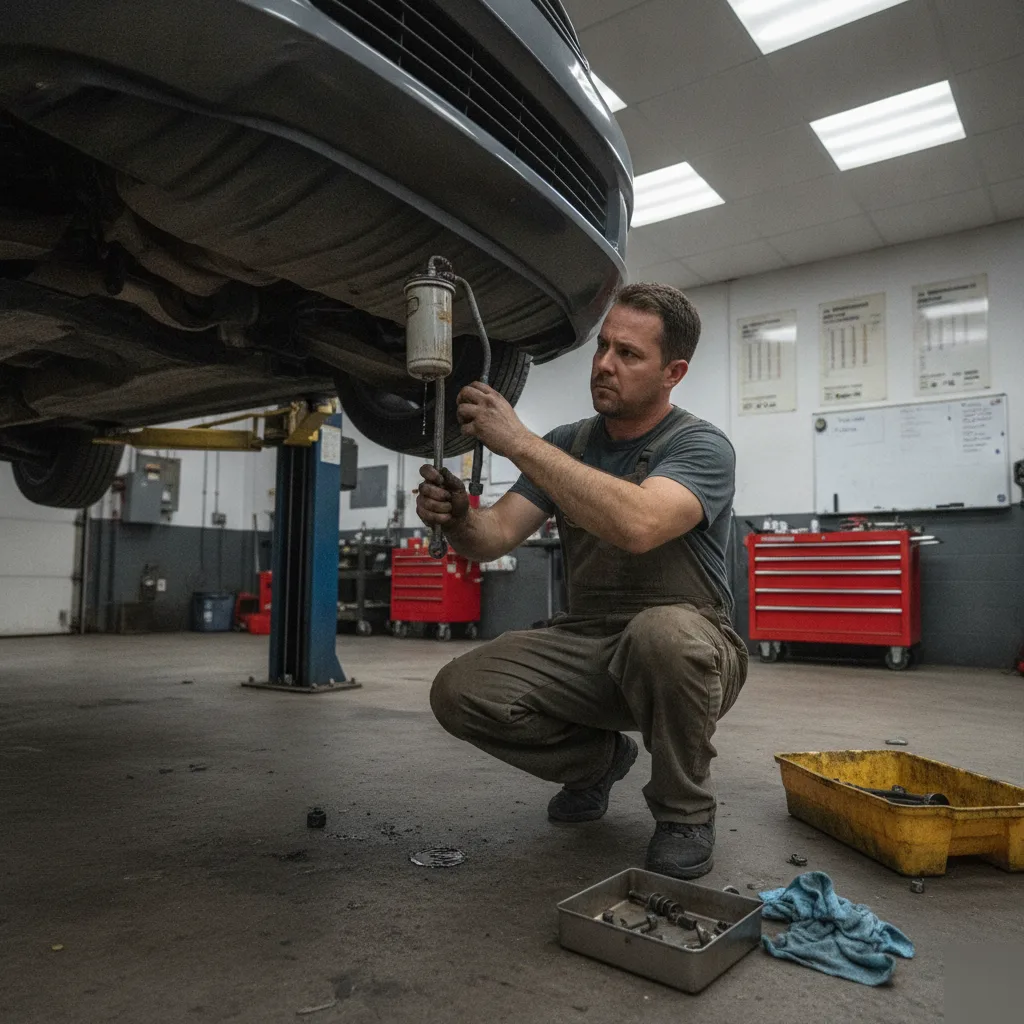
- Codes pulled before any cleaning
- Cleaned at the rail, not the tank
- Licensed mechanics Alex and Dan
- Serving Orléans since 2013
Reading the Warning Signs of Clogged Fuel Injectors
Clogged fuel injectors often show up as rough idling, hesitation when you accelerate, declining fuel economy, and hard starts on cold Orléans mornings. Commuters who drive on Highway 174 and Innes Road tend to develop different deposit patterns. The warning signs can appear more gradually. Catching these symptoms early, especially a check engine light tied to misfire or fuel-trim codes, prevents bigger repair headaches later.
Fuel injectors rarely fail all at once. They clog gradually as carbon deposits build up around the tiny spray nozzles. This disrupts the fine mist pattern the engine needs for clean combustion. The first sign many Orléans drivers notice is a rough idle at stoplights along Innes Road or St. Joseph Boulevard. The engine feels like it's shaking or about to stall while sitting still. As deposits worsen, hesitation on acceleration becomes noticeable. This is especially true when merging onto Highway 174 or trying to pass on Tenth Line Road. The engine seems to stumble or lag before responding to the gas pedal.
Fuel economy is another telltale indicator. If your commute between Orléans and downtown has stayed the same but you're filling up more often, uneven fuel delivery from partially blocked injectors is a common culprit. Cold starts are worth paying attention to. Ottawa winters are hard on engines. If your car struggles to start on a cold morning even after a recent battery check, injector fouling could be adding to the problem. It disrupts the fuel-to-air ratio needed for ignition.
- Rough or uneven idle at stops, especially noticeable in traffic on Innes Road
- Hesitation or stumbling when accelerating onto Highway 174 or passing on local arterials
- Fuel economy that drops noticeably without a change in driving habits
- Harder starts on cold mornings, beyond typical winter cranking
- Check engine light paired with misfire or fuel-trim diagnostic codes
Orléans commuters who rack up steady highway kilometres on the 174 tend to develop different deposit patterns. This differs from drivers doing mostly short, stop-and-go trips around the neighborhood. Sustained highway speeds can help burn off some light deposits. This also allows heat-related varnish buildup over time. Frequent short trips trap moisture and unburned fuel residue in the injector tips. Either pattern eventually shows up as one or more of these symptoms. It's worth paying attention regardless of your typical driving route.
When Fuel Injector Cleaning Isn't the Right Call
Not every rough idle or gas mileage drop is an injector problem. We say this a lot around the shop. A dirty air filter can choke your engine the same way. A fouled spark plug or a fuel pump that's losing pressure can also cause issues. If your car misfires only at startup, the problem is often with the ignition system, not fuel delivery.
So how do you know? Rough running, hesitation, and higher fuel use can point to different problems. A proper diagnostic can help identify the cause.
Here's another case where cleaning won't help. If an injector has failed completely, is stuck open, is cracked, or is leaking fuel, no cleaning solution will fix it. That injector needs replacing, not flushing. We sometimes see this in high-mileage vehicles that have gone years without maintenance. The injector body itself has worn out. Cleaning just delays the inevitable.
If your car is running fine, with no hesitation, no rough idle, and decent mileage, you probably don't need this service right now.
Look, we'd rather tell you that upfront than sell you something you don't need. That's kind of the whole point around here. We are straight with people so they can make their own call on what their car needs. Bring it in for a proper diagnostic first. Once you know what's really going on, whether it's the injectors, spark plugs, or another fuel system issue, you'll know exactly what you're paying for and why.
How Professional Fuel Injector Cleaning Works
A proper fuel injector cleaning at a reputable Orléans shop never starts with a hose and a bottle of solvent. It starts with a conversation and a scan tool. Before touching your fuel system, a qualified technician will ask about the symptoms you have noticed. This could be a rough idle at the lights on Innes Road, hesitation when merging onto Highway 174, or a check engine light that just came on. They will pull stored diagnostic trouble codes, check for misfire counts, and often review fuel trim data. This helps see whether the injectors are the culprit. Or something else, like a worn ignition coil or a dirty MAF sensor, might be mimicking the same symptoms.
Once the diagnosis points to injector fouling, the shop performs what is known in the trade as in-system chemical cleaning. This is different from pouring an over-the-counter additive into your gas tank at a local station. A shop-grade machine connects directly to the fuel rail, bypassing the tank. It circulates a concentrated, professional-strength cleaning solvent through the injectors under controlled pressure while the engine runs on that solution alone. This forces the solvent through the actual injector nozzles and pintles. It dissolves carbon deposits at the source rather than relying on dilution through an entire tank of gasoline over hundreds of kilometres of driving.
- Symptom and code review before any cleaning begins, so the service targets a confirmed problem
- Fuel rail connection to a dedicated injector cleaning machine, not a bottle poured into the fuel filler
- Controlled engine run-time on concentrated solvent to break down carbon and varnish deposits directly at the nozzle
- Post-service idle check to confirm smoother, more stable RPM
- Throttle response test, often including a short test drive around the shop's block, to verify the hesitation is gone
For more about how professional fuel injector cleaning works, Mienike has an excellent resource guide [1].
The step that separates a professional job from a guessing game is what happens after the cleaning cycle finishes. A conscientious mechanic does not simply hand back the keys. They recheck idle quality. They watch for the engine settling into a steady RPM rather than surging or dipping. They often take the car for a short drive to confirm throttle response has improved under load. This closing verification is the real thesis behind paying for professional service: the technician is personally confirming the fix worked. They are not just performing a task on request and hoping for the best.
Cold-Weather Driving and Injector Deposits in Orléans
Orléans drivers deal with a tough climate for fuel systems. According to Climate Observer, Canada's climate normals for the Ottawa CDA station, January averages around -10.7°C. Overnight lows regularly drop well below -15°C.[2] Every cold start in this kind of weather forces the engine to work harder to atomize fuel properly. Gasoline resists vaporizing in cold air. Injectors have to work overtime to break fuel into a fine mist. When that process is imperfect, unburned fuel droplets and combustion byproducts settle onto injector tips and intake valves. This gradually builds carbon deposits that restrict spray patterns.
This matters more for Orléans than some other parts of the city because of commuting patterns. Residents heading into downtown Ottawa or the east-end business parks typically start their day with a cold engine. They idle briefly in a driveway or garage. Then they merge onto Highway 174 or Innes Road for a longer highway stretch. That start-idle-highway sequence is repeated five days a week for months. Each cold start contributes a small amount of incomplete combustion. Over a winter season those small contributions add up to measurable deposit buildup. This is especially true in vehicles that sit outside overnight without a block heater.
Drivers often notice the symptoms without connecting them to injector health. This includes a rougher idle on cold mornings. It also includes a slight hesitation when accelerating from a stop on Innes Road. Or a dashboard reading showing worse fuel economy during winter months compared to summer driving on the same routes. These are classic signs of injectors that are no longer delivering a clean, consistent spray pattern.
- Schedule fuel injector cleaning in early fall, before the first hard frost typically arrives in the Ottawa region
- Use a block heater or garage parking where possible to reduce the severity of cold starts
- Pay attention to rough idle or hesitation during the first few minutes of a winter drive
- Avoid letting the vehicle sit for very short trips only, since short cold starts without full warm-up are hard on injectors
- Consider a mid-winter check if you notice a drop in fuel economy or a change in acceleration response
Timing service before winter sets in gives injectors a clean baseline heading into the season when they're under the most stress. Waiting until spring means driving through the coldest months with deposits already accumulating. This can compound fuel economy losses and rough running. This happens right when driving conditions are already challenging on the 174/Innes corridor.
Bundling Injector Cleaning With Other Scheduled Maintenance
Here's something we tell folks all the time. You don't need a special trip just for fuel injector cleaning. Most of the time it makes more sense to add it onto something you're already coming in for.
Think about it. Your fuel system and your ignition system work as a team. They get dirty around the same time. It's smart to look at both together.
- Oil change or synthetic oil change visits, since the car is already up and the engine bay is open
- Spark plug replacement, because worn plugs and dirty injectors both affect how fuel burns
- Air filter replacement, since a clogged filter and dirty injectors both starve the engine of a clean fuel mix
- Car diagnostics appointments, when a check engine light points to something fuel related anyway
We see this pattern constantly. A customer comes in for an oil change. We notice the engine's running a little rough on idle. Injector cleaning ends up being part of that same visit instead of a whole new appointment later.
That saves you time. It also saves you a second drop off and a second pickup. That means a second chunk of your day is saved.
Not every service pairs well. That's fine. We won't tack on work your car doesn't need just to fill an invoice. When injector cleaning lines up with something already on your maintenance schedule, bundling it makes sense for your wallet and your time.
Frequently Asked Questions
How do I know if my car needs fuel injector cleaning?
Watch for rough idling at stoplights, hesitation when you speed up, or worse gas mileage. Many Orléans drivers notice this first in traffic on Innes Road or when merging onto Highway 174. Hard starts on cold mornings are another clue, since clogged injectors throw off the fuel-to-air mix your engine needs. If a check engine light comes on with a misfire code, get it checked soon. Catching these signs early can save you from bigger repairs down the road.
What happens during a fuel injector cleaning appointment?
We start with a conversation and a scan tool, not a bottle of cleaner. We ask about your symptoms and pull diagnostic codes to confirm the injectors are the problem. Then we connect your fuel rail to a dedicated cleaning machine that runs concentrated solvent through the nozzles while your engine runs on that solution. Afterward, we check your idle and take a short test drive to confirm smoother throttle response before handing back your keys.
Will fuel injector cleaning fix my rough idle or hesitation?
Sometimes, but not always. Rough idle and hesitation can come from a dirty air filter, a fouled spark plug, or a failing fuel pump, not just clogged injectors. That's why we run a real diagnostic first instead of guessing. If an injector is already stuck open, cracked, or leaking, cleaning won't fix it either since that part needs replacing. We'll tell you straight if cleaning is the right call or if something else is causing your symptoms.
Does cold weather in Orléans make fuel injector problems worse?
Yes, Ottawa winters can make existing injector fouling more obvious. If deposits are already restricting fuel flow, a cold start throws off the fuel-to-air ratio your engine needs even more than usual. So a car that struggles to start on a frigid morning, beyond normal winter cranking, may have injector buildup adding to the problem. It's worth mentioning cold starts when you describe your symptoms so we can check for this along with other causes.
Do highway commuters need fuel injector cleaning more often than city drivers?
Not necessarily more often, but the buildup looks different. Drivers who put steady kilometres on Highway 174 tend to burn off light deposits but build up heat-related varnish over time. Drivers doing short, stop-and-go trips around the neighborhood tend to trap moisture and unburned fuel residue in the injector tips instead. Either driving pattern can eventually cause rough idling or hesitation, so pay attention to your symptoms rather than just your driving style.
How long does a fuel injector cleaning service take?
Most appointments take a few hours from start to finish, including the diagnostic scan and post-service checks. We begin by reviewing your symptoms and pulling trouble codes, then run the cleaning solution through your fuel rail while the engine idles. Once that's done, we check your idle stability and take a short test drive to confirm your throttle response has improved before we call you to pick up your car.
Citations
- https://www.meineke.com/blog/what-is-fuel-system-cleaning-a-guide-for-drivers/ ↩
- https://climate-observer.org/locations/CA006105976/ottawa-cda-canada ↩