
Orléans, Ontario · St. Joseph Blvd
Engine Repair in Orléans
Empowering customers to make informed decisions.
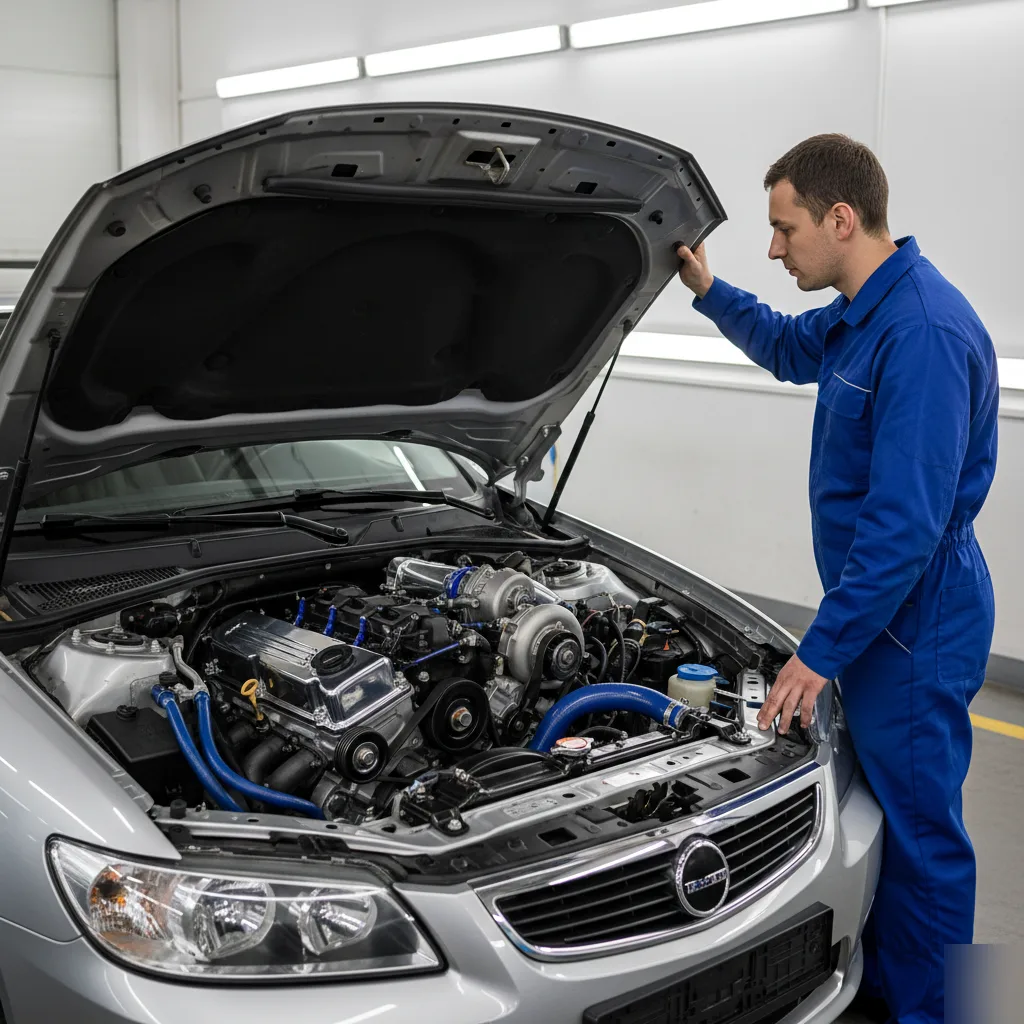
- Fault code in 30 minutes
- Basics checked before anything costly
- Licensed mechanics Alex and Dan
- Serving Orléans since 2013
Signs Your Engine Needs a Closer Look
A rough idle, a ticking sound, or a check engine light that won't turn off usually points to something inside the engine that needs attention. Catching these signs early, before an Orléans winter cold snap makes it worse, often means a smaller repair instead of a bigger one.
Your car is already telling you when it needs help. It just takes a minute to listen.
- A check engine light that stays on or blinks while driving
- A rough or shaky idle when you're stopped at a light
- Ticking, knocking, or tapping noises coming from under the hood
- White or blue smoke out the tailpipe, not just the normal exhaust vapor on a cold morning
- Stalling or hesitation when you press the gas
- A sudden drop in power, like the car just doesn't want to climb a hill anymore
- Oil showing up under the car where you park
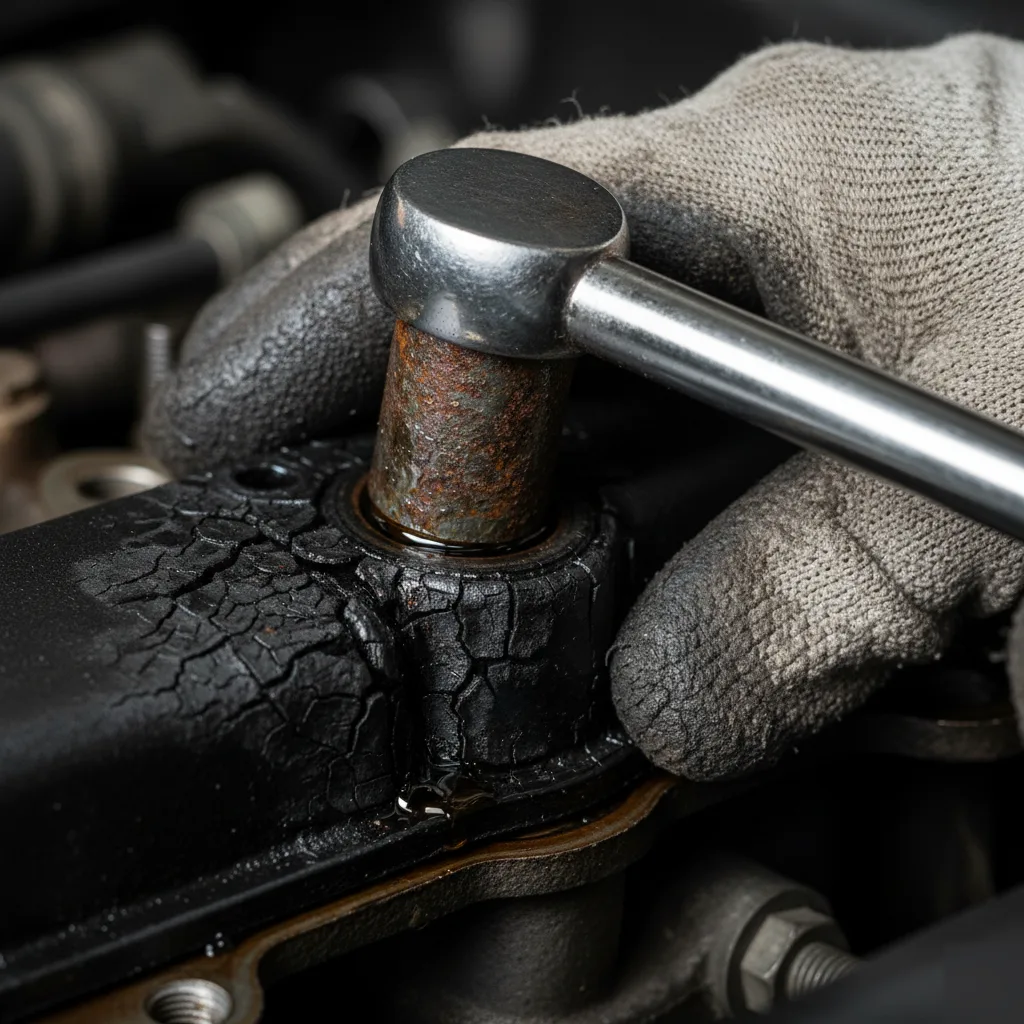
Some of these overlap with smaller jobs. A worn spark plug or a serpentine belt starting to slip can mimic bigger engine trouble. That's exactly why a proper diagnostic check matters before anyone touches a wrench. Guessing costs you money. We'd rather look first.
Cold weather in Orléans makes a lot of these symptoms show up faster. A block heater helps, but it won't fix a failing thermostat or a head gasket that's already on its way out. If your car struggles every time the temperature drops below freezing, that's not normal. If the check engine light showed up right after a cold start, don't ignore it.
When a Warning Light Doesn't Mean Engine Replacement
A glowing check-engine light on your dash while driving down Highway 174 or through the Innes Road corridor can feel like an emergency, but in most cases it isn't. That amber icon is triggered by your vehicle's onboard diagnostic system. It lights up for hundreds of possible reasons. A loose gas cap, an aging oxygen sensor, a faulty mass airflow sensor, or a misfiring spark plug can all set it off. None of these require an engine rebuild or replacement. In our experience working on vehicles across Orléans, most check-engine light visits end with a sensor replacement or a minor adjustment costing far less than drivers fear.
The key is learning to read what the dashboard is telling you. A steady amber check-engine light means the car is safe to drive to a shop soon, ideally within a few days. This is especially true before Orléans winters put extra strain on cold-start systems. A flashing check-engine light is different. It signals an active misfire that can damage the catalytic converter if ignored. That one deserves a same-day appointment rather than a wait-and-see approach.
- Stop driving immediately: red temperature gauge pegged high, visible smoke from under the hood, oil pressure warning light, or a burning smell
- Get it looked at within a few days: steady amber check-engine light with no performance change, minor rough idle, or a slight drop in fuel economy
- Flashing check-engine light: pull over safely and arrange a tow or same-day diagnostic rather than continuing to drive
It's also worth separating true engine repair from routine maintenance. The two get confused constantly. An oil change, a coolant top-up, replacing wiper blades, rotating tires, or swapping an air filter are maintenance tasks that keep an engine healthy. They are not engine repair work themselves. Skipping these services, however, often leads to more serious problems. These include a seized engine from oil starvation or overheating from a neglected coolant leak.
If your dashboard light comes on and you're not sure which category it falls into, a proper diagnostic scan takes the guesswork out of it. Our Orléans shop can typically identify the exact fault code within thirty minutes. We will give you a straight answer about whether it's a minor fix or something bigger.
Repair or Replace: What Determines the Right Call
One of the toughest calls for any Orléans driver comes when a shop delivers a diagnosis on a car sitting around the 120,000 km mark. The engine light is on, a noise has developed, or a leak has grown. Suddenly you're facing a bill that rivals a used car down payment. This is the point where a good technician stops talking only about parts. They start talking about the whole picture. What's broken, what else might be affected, and how much life is realistically left in the vehicle?
Scope of damage is the first filter. A worn water pump or a failed sensor is a contained repair with a clear price tag. A spun rod bearing, a cracked block, or metal shavings in the oil filter point to something far more serious. This often requires a partial or full engine rebuild. The second filter is secondary damage. Overheating that warped a head gasket can also affect the head itself. A timing belt that snapped on an interference engine can bend valves and damage pistons. Each additional affected component changes the math.
Vehicle age and condition round out the decision. A well-maintained sedan with clean service records, solid brakes, and a rust-free frame is a much stronger repair candidate than a similar-mileage vehicle with multiple deferred issues. Shops around Orléans generally compare the repair estimate to the vehicle's realistic resale value, not its original price. They weigh that against how many more years of reliable driving the repair would likely buy.
- Repair usually makes sense: contained failure, strong maintenance history, no rust or major secondary issues
- Replacement worth considering: repair cost approaches or exceeds vehicle value, multiple systems affected, or the vehicle already needs other major work
On the cost side, most Orléans shops start with a diagnostic. You pay a set fee to identify the problem before any repair work begins. From there, labor is typically calculated using standard time guides for the specific job. Parts are billed separately based on OEM or aftermarket pricing. It's always worth asking upfront whether the diagnostic fee gets applied toward the repair if you move forward. Many shops will credit it rather than charging twice. Getting this cost breakdown in writing before authorizing work helps avoid surprises. It also makes comparing quotes between shops much easier.
What Happens During an Engine Diagnostic and Repair
Say your check engine light comes on, or you hear a knock when you start the car cold. Maybe it's rough idling at a stoplight on Innes Road. That's usually when the call comes in.
Here's what we do once your car's on the lift.
- We hook up a scan tool and pull the codes stored in the engine's computer.
- We road test or idle test the car, listening and watching for what the codes alone won't tell us.
- We check the basics first, including spark plugs, belts, and fluid levels, before touching anything expensive.
- We narrow it down to the actual part or system causing the problem.
- We walk you through what we found in plain language before starting any repairs.
- We text you photos of what we're seeing, so you're not just taking our word for it.
- Once you say go, we do the repair and road test again to confirm it's fixed.
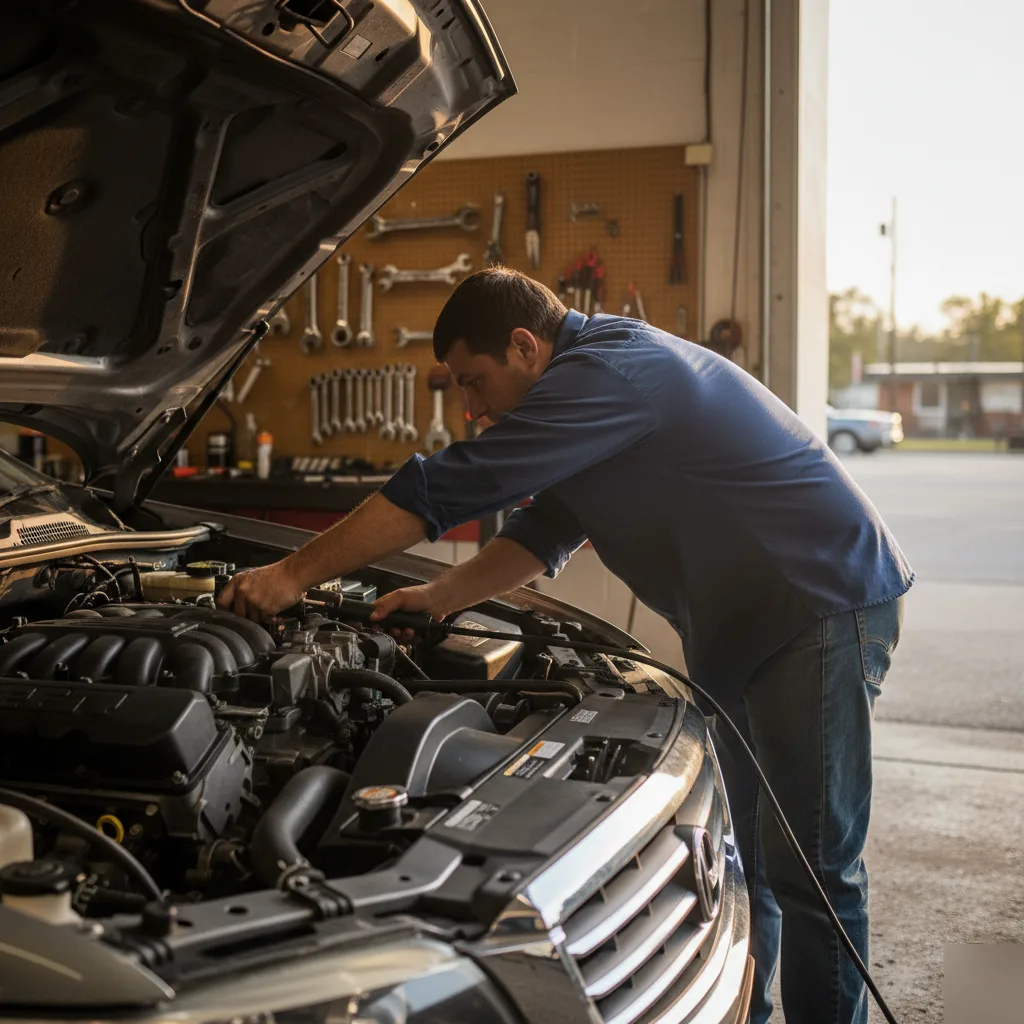
It's something smaller than folks expect: a fouled spark plug, a bad oxygen sensor, a clogged fuel injector. Not the whole engine. Cold Orléans winters are hard on batteries and fuel systems both. A cold start knock in January doesn't always mean the same thing it would in July. That's why we look before we guess.
The scan tool tells us where to look. It never tells us the whole story on its own.
Cold Winters and Engine Wear in Orléans
Orléans sits within the Ottawa climate zone. According to the Canadian Government, Canada's long-term normals for the Macdonald-Cartier Airport station show average daily temperatures well below freezing from December through February.[1] Cold spells frequently stretch into March. For local drivers, this isn't just a matter of scraping windshields. Every cold morning start puts real mechanical stress on an engine. Repeated exposure over a Canadian winter adds up to measurable wear that many vehicle owners don't fully appreciate until a repair bill arrives.
When temperatures drop, engine oil thickens. It takes longer to circulate fully through the engine's moving parts. On a cold start, metal components briefly run with less lubrication than they need. This causes microscopic wear on bearings, piston rings, and camshaft surfaces. This effect is worse for drivers who make short trips around Orléans, such as quick runs to Place d'Orléans or nearby schools. The engine often shuts off before oil ever reaches its operating temperature. Moisture condensation inside the engine also fails to burn off on these short drives. This can contribute to sludge buildup over time.
- Let the engine idle briefly before driving on very cold mornings to allow oil pressure to stabilize.
- Switch to a full synthetic oil rated for wide temperature ranges. This flows better at sub-zero temperatures than conventional oil.
- Combine short errands into fewer, longer trips so the engine has time to reach full operating temperature.
- Have the battery, belts, and coolant checked before winter. Cold weather is often when marginal components finally fail.
- Consider a block heater for overnight parking during extended cold snaps, common practice for many Orléans households.
Summer brings a different kind of stress. Stop-and-go traffic along routes like St. Joseph Boulevard during warmer months forces engines to run for extended periods at low speeds. This raises under-hood temperatures and puts extra load on the cooling system and drivetrain. While less dramatic than winter cold-start wear, this heat stress can compound existing issues, particularly in engines that already carry some wear from the previous winter.
Year-round temperature swings in Orléans mean engines rarely get an easy season. Regular oil changes and seasonal inspections are the most effective way to offset both winter cold-start wear and summer heat stress before they turn into costly repairs.
Frequently Asked Questions
What happens when I bring my car in for engine repair in Orléans?
We start with a diagnostic scan before touching anything. This usually takes about thirty minutes and pinpoints the exact fault code causing your warning light or noise. You get a plain answer about whether it's a small fix or something bigger. We explain what we found and what options you have. Nothing gets repaired until you understand the problem and agree to move forward. This keeps you in control of the decision the whole time.
How long does an engine diagnostic take?
Most fault codes get identified within thirty minutes at our Orléans shop. That scan tells us exactly what triggered your check engine light or rough idle. From there, we can usually tell you the same day whether you're looking at a simple sensor swap or a deeper repair. Complex issues, like tracking down an intermittent misfire, sometimes need a short test drive too. Either way, you leave with a clear answer instead of guesswork.
Does Orléans winter weather make engine problems worse?
Yes, cold snaps push failing parts to fail faster. A block heater helps your engine start, but it won't hide a weak thermostat or a head gasket already on its way out. If your car struggles every time the temperature drops below freezing, that's a sign, not normal behavior. Symptoms like rough idle or a check engine light after a cold start often show up first in winter. Catching them before deep cold hits usually means a smaller repair.
Does a check engine light mean I need a new engine?
No, most check engine lights are caused by something small. A loose gas cap, a worn oxygen sensor, or a faulty mass airflow sensor can all trigger that amber icon. Most visits end with a sensor replacement or minor adjustment, not an engine rebuild. A steady light means you can safely drive to a shop within a few days. A flashing light is different and means you should get it looked at the same day.
How do I know if my engine should be repaired or replaced?
It depends on the scope of the damage and your vehicle's overall condition. A worn water pump or a failed sensor is a contained repair with a clear fix. A spun rod bearing or cracked block usually points toward replacement instead. We also look at your maintenance history, rust, and other pending issues. A well-maintained car with clean records is a stronger repair candidate than one with multiple deferred problems piling up.