
Orléans, Ontario · St. Joseph Blvd
Headlight Replacement in Orléans
Empowering customers to make informed decisions.
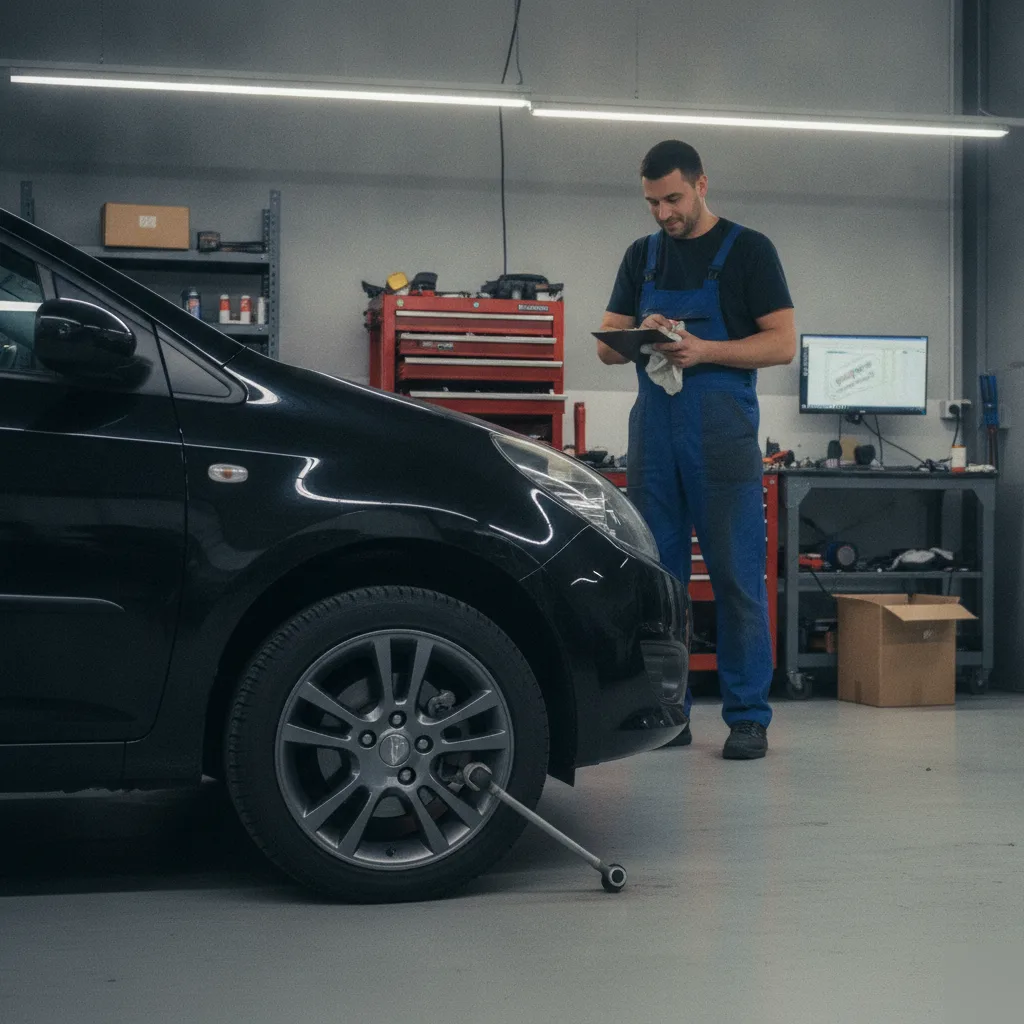
- Socket and wiring tested first
- Beam aim checked before you go
- Licensed mechanics Alex and Dan
- Serving Orléans since 2013
Signs Your Headlight Needs Bulb Service or Full Replacement
A dim or flickering headlight is often just a bulb. Cloudy, cracked, or foggy lenses mean the whole housing needs headlight replacement. Watch for moisture inside the lens and headlights that look uneven side to side.
Not every headlight problem is the same. Some fix quickly; others need a full headlight replacement. We see this every week. A customer pulls in thinking they need a whole new headlight, and it's a fifty-cent bulb. Other times it's the opposite.
- One headlight noticeably dimmer or more yellow than the other, usually a sign the bulb is dying
- Flickering or headlights that cut out when you hit a bump, often a bulb or connector issue
- Cloudy, foggy, or yellowed lens covering the whole light: this is the housing breaking down, not the bulb
- Moisture or condensation sitting inside the lens: the seal has failed and water's getting in
- Cracks, chips, or a headlight that's come loose from the mounting points
Here's the test we use. If the light itself looks clear and the housing's solid, but the beam is weak or flickering, that's usually a bulb. If the lens looks foggy or has water sitting inside it, the bulb won't fix that. Long stretches of Orléans without much street lighting, especially the rural roads out past the Innes corridor, make a weak headlight obvious fast. Drivers notice it the first dark night they're out there.
Not sure which one you're dealing with? Snap a photo of the headlight in daylight and one at night with it on. That tells us a lot before you even come in.
When a Bulb Swap Is Enough And Full Replacement Isn't
Here's the truth. Not every headlight problem needs a full headlight replacement. Sometimes it really is just the bulb, and swapping it takes ten minutes.
A bulb burns out for the same reason a light bulb in your kitchen does; it just wears out. If the housing is clear, dry inside, and the connector looks clean, a new bulb usually brings it right back to full brightness. We check this every time someone comes in worried they need something bigger.
- Only one side is out, the other still shines bright and clear
- The lens is clear, not cloudy, cracked, or yellowed
- No fog or water droplets show up inside the housing
- The connector and wiring look clean, with no melted plastic or corrosion
- The light just went dim gradually, then quit
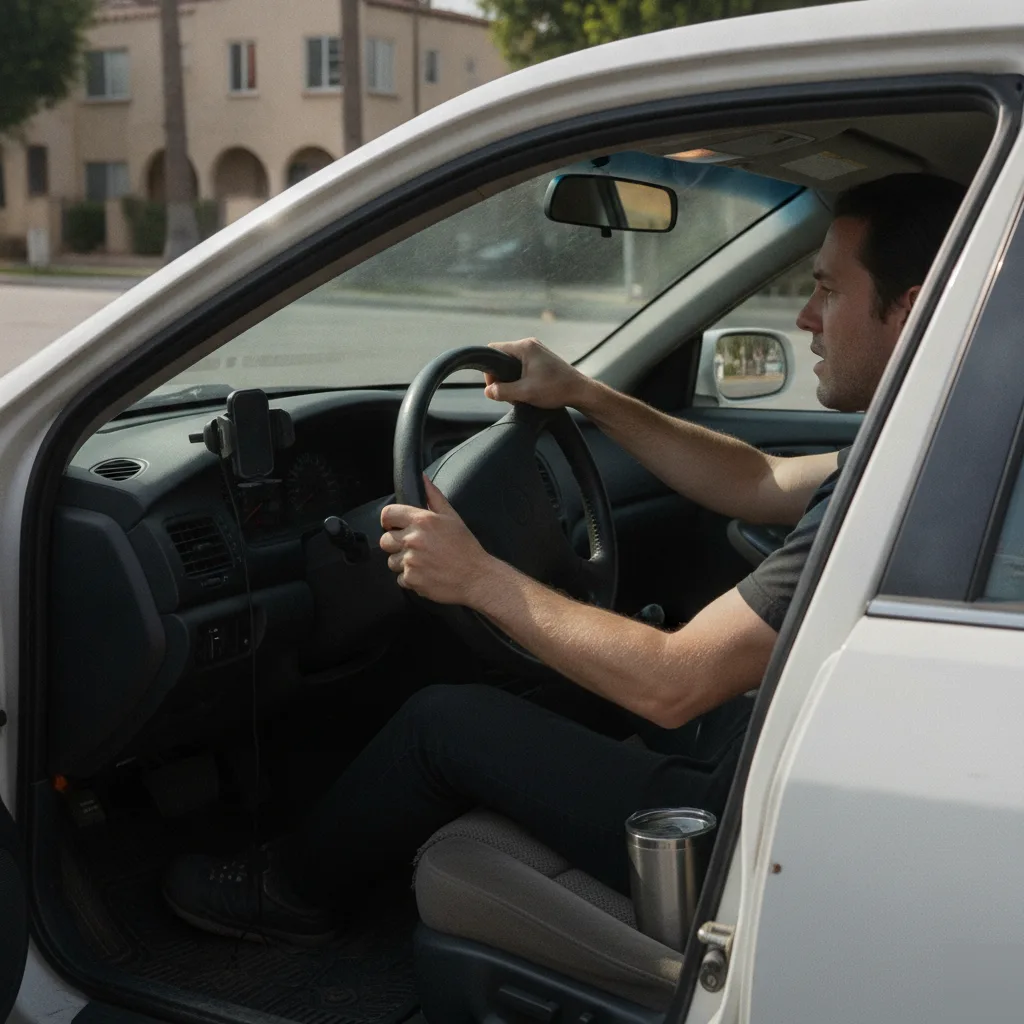
Now, full replacement makes sense in different cases. Cracked lenses from stone chips are common, especially with all the gravel trucks running Innes Road during construction season. Once that crack lets moisture in, the housing fogs up for good. A yellowed, sun-baked lens that won't polish clear anymore is another sign the whole unit's done. So is flickering that keeps coming back after a fresh bulb; that usually points to a failing socket or wiring issue inside the housing itself.
Not sure which one you've got? Pop the hood, or better yet, let us take a look before you buy anything.
A clouded housing with water inside can't be saved with a new bulb alone, no matter how good that bulb is.
What Drives Headlight Replacement Costs
Here's the thing about headlight replacement: the price varies a lot depending on what's wrong and what your car needs. A burnt-out bulb on an older sedan is a quick fix. A cracked housing on a newer vehicle with LED modules? That's a different job altogether.
So what moves the needle on cost? A few things.
- Bulb type: basic halogen bulbs cost less than HID or LED units, which need special handling
- Housing vs bulb only: sometimes just the bulb needs swapping; other times the whole sealed housing has to go
- Access and labor time: some vehicles need bumper trim or panels removed to reach the headlight
- OEM parts vs aftermarket parts: fit and finish can vary, and that affects both price and how the light aims
- One headlight or a pair: many folks replace both at once so the beams match in brightness and color
We see this every week. Someone comes in thinking it's a simple bulb swap, and it turns out the whole assembly's fogged up or cracked from a stone chip on Highway 174. Winter driving on Orléans roads throws a lot of grit and salt at your front end. That stuff finds its way into cracked seals over time.
Before you hire anyone, ask what type of bulb your car takes, whether the housing needs replacing too, and if aiming or alignment is included after the new light goes in. A shop that walks you through all that before touching your car is one you can trust.
Headlight Replacement in Orléans: From Commuter Roads to Winter Salt
Drive Highway 174 into the city every day, and your headlights take a beating you don't even notice. Sand, salt, and grit kick up off that road all winter long. It pits the lens surface. Over a few seasons, that pitting turns clear plastic cloudy. Once it's cloudy, no amount of polishing brings back full brightness.
We see this every winter once the temperature starts swinging above and below freezing. That freeze-thaw cycle works moisture into small cracks in the housing. Innes Road, Tenth Line, Trim Road: lots of our customers commute these stretches twice a day, five days a week. That's a lot of stone chips and salt spray hitting the same two lenses year after year.
Here's what most folks don't realize until it's too late:
- Cloudy or yellowed lenses that no longer throw a clean beam at night
- Flickering or dimming that gets worse on rough roads or in cold weather
- Moisture fogging inside the housing after a wash or a rainy drive
- One headlight noticeably dimmer than the other on high beam
None of that fixes itself. Salt exposure and road grit don't reverse; they just add up. So when a headlight starts going, it's usually not a fluke. It's wear that's been building for a while. That's the point of catching it early instead of waiting for a burnout on a dark night on Charlemagne or Jeanne d'Arc.
What Happens During Your Headlight Replacement Visit
So what happens once you pull in? Nothing complicated. We start by looking at both headlights, not just the one that's out. If one bulb fails from age, the other one's usually close behind. Might as well handle it now instead of driving back in three weeks.
- We check the bulb type and housing style for your exact make and model. Some vehicles need the bumper loosened to reach the back of the assembly.
- We test the socket and wiring first. A corroded connector can mimic a dead bulb, and swapping the bulb won't fix that.
- We pull the old bulb or full assembly, depending on what's failed.
- We install the new part and seat it properly so moisture can't get in.
- We turn the headlights on and check the beam pattern, low and high, before you drive off.
That last step matters more than people think. According to the Insurance Institute for Highway Safety, a headlight that's aimed too low or too high can blind other drivers or leave your own path dark.[1] We've caught plenty of headlights that were technically working but aimed wrong from a previous repair somewhere else.
Most single headlight replacements are quick. A full assembly swap on some models takes longer because of how tight the engine bay is packed. We'll tell you upfront which situation you're dealing with before we start, not after.
Frequently Asked Questions
How can I tell if I need a new bulb or a full headlight replacement?
A dim or flickering light is usually just the bulb, while a cloudy or cracked lens means the housing needs full headlight replacement. Check if the lens is clear and dry inside. If it looks foggy or has water sitting inside, a new bulb won't fix that. Snap a photo in daylight and one at night with the light on. That tells us a lot before you even come in.
What should I do before bringing my car in for headlight service?
Just note which side is affected and whether the problem is constant or comes and goes over bumps. That detail helps us narrow down bulb versus housing issues fast. If you can, snap a daytime photo of the lens and a nighttime photo with the headlight on. Bring your car in as-is otherwise. No cleaning or fiddling with the wiring needed before your visit.
How long does headlight replacement usually take?
A simple bulb swap takes about ten minutes, while a full housing replacement takes longer depending on how much needs to come apart to reach it. Some vehicles need bumper trim or panels removed first, which adds time. We check the connector, wiring, and seal while we're in there. That way you're not back in a month for the same issue.
Why do headlights get cloudy so fast for Orléans commuters?
Sand, salt, and grit off Highway 174 pit the lens surface all winter long, and pitted plastic turns cloudy over a few seasons. Once that happens, polishing won't bring back full brightness. Freeze-thaw cycles also work moisture into small cracks in the housing. Commuters on Innes Road, Tenth Line, and Trim Road see this wear build up fast from daily stone chips and salt spray.
Should I replace both headlights at the same time?
Many drivers replace both so the beams match in brightness and color, since bulbs age at different rates even in the same car. If one side looks noticeably dimmer or more yellow, the other one usually isn't far behind. Mismatched beams also make it harder to judge your lighting on dark, unlit stretches out past the Innes corridor. Ask us what makes sense for your specific bulbs.