Orléans, Ontario · St. Joseph Blvd
Suspension Repair in Orléans
Empowering customers to make informed decisions.
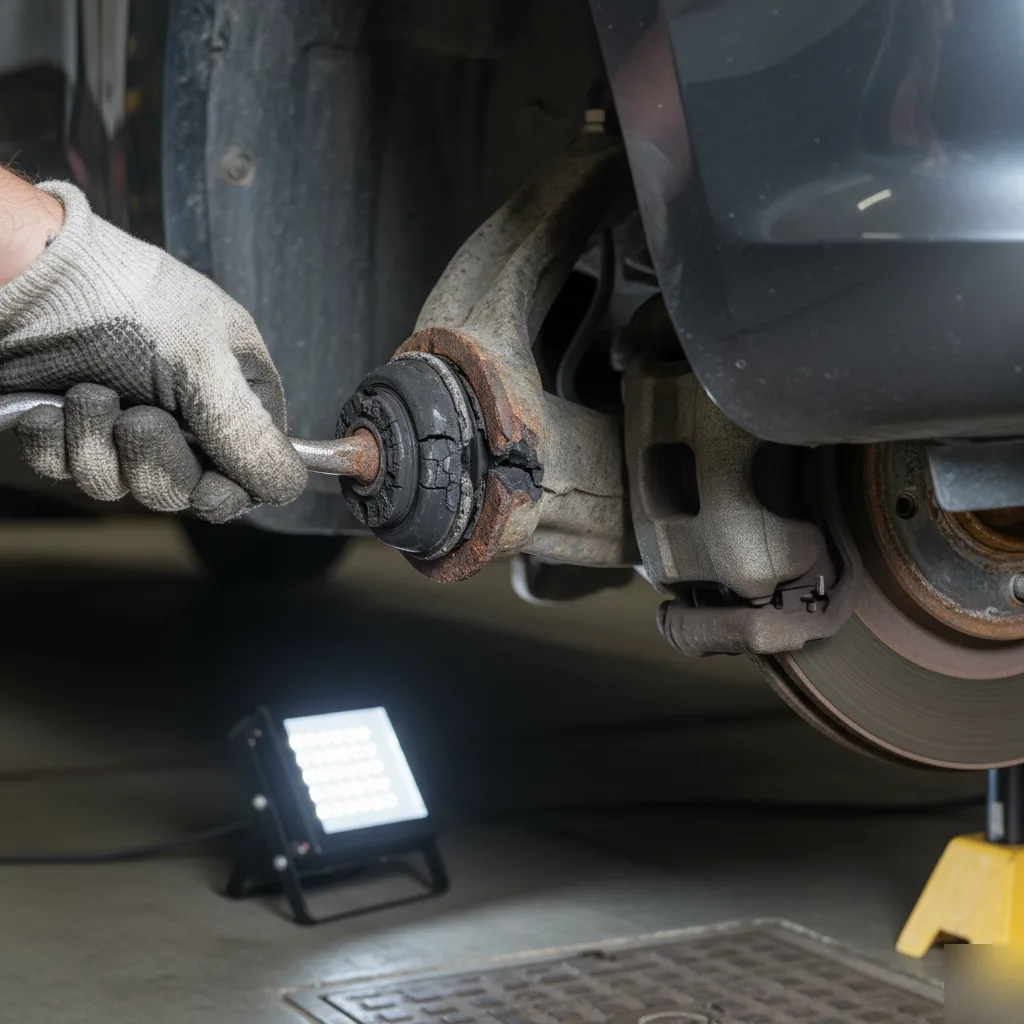 alt="Licensed technician removing a front wheel from a raised sedan to reach the suspension in the service bay at Ottawa Easy Wheels in Orléans, Ontario"
width="1024" height="1024" fetchpriority="high" decoding="async">
- Whole system, not just one part
- Photos before we touch a bolt
- Licensed mechanics Alex and Dan
- Serving Orléans since 2013
Signs Your Vehicle Is Telling You the Suspension Needs a Look
Quick Summary:
Bouncing, pulling, or a rougher ride are signs that your suspension needs attention. If your car dives, nose-dips under braking, or leans hard on turns, get it looked at before a worn part turns into a bigger repair.
Your car talks to you. You just have to listen. A clunk over the potholes on Trim Road, a wandering feeling on the highway, a front end that dips too far when you brake at a light on Innes. These aren't things to shrug off.
It's one of a few usual suspects: worn shocks, tired struts, a bad control arm bushing, or a tie rod that's loosened up over the years.
- A bouncy or floaty ride, especially over Orléans' rougher stretches after winter frost heaving
- The car pulls to one side or feels like it wanders on its own
- Clunking or knocking noises over bumps or when turning into a driveway
- Uneven tire wear, one side balding faster than the other
- The vehicle sits lower on one corner than the others
- Excessive bouncing after you press down on the front bumper and let go
Some of this you can catch yourself. Push down on a corner of the car and watch how many times it bounces before settling. Once or twice is normal. Three or four bounces mean something's worn out.
Not every noise means suspension trouble. Sometimes it's a loose exhaust heat shield or something rattling in the trunk. We always take a real look before we tell you what's going on.
When Uneven Tire Wear Isn't a Suspension Problem
Here's something we tell people almost every week. According to Auto Club Group, not every worn tire means your suspension is failing. Sometimes it's just tire pressure, or an alignment that got knocked out after hitting a pothole on Innes Road last winter.[1] Freeze-thaw cycles do a number on pavement out here. A hard hit against a frost heave can throw your alignment off without touching a single suspension part.
How do you tell the difference? Wear on both edges of the tire, with the center still deep, usually points to low pressure. Wear right down the middle only is often a sign of overinflation. Neither one needs a wrench near your shocks or struts.
- Feathered wear, where the tread looks combed in one direction, usually means an alignment issue
- Wear on just one edge, consistently, often points to a camber problem from alignment, not suspension
- Cupping or scalloped dips around the tire face: that one does point back to worn shocks or struts
- Uneven wear on only one tire while the others look fine can mean a wheel bearing or tie rod issue instead
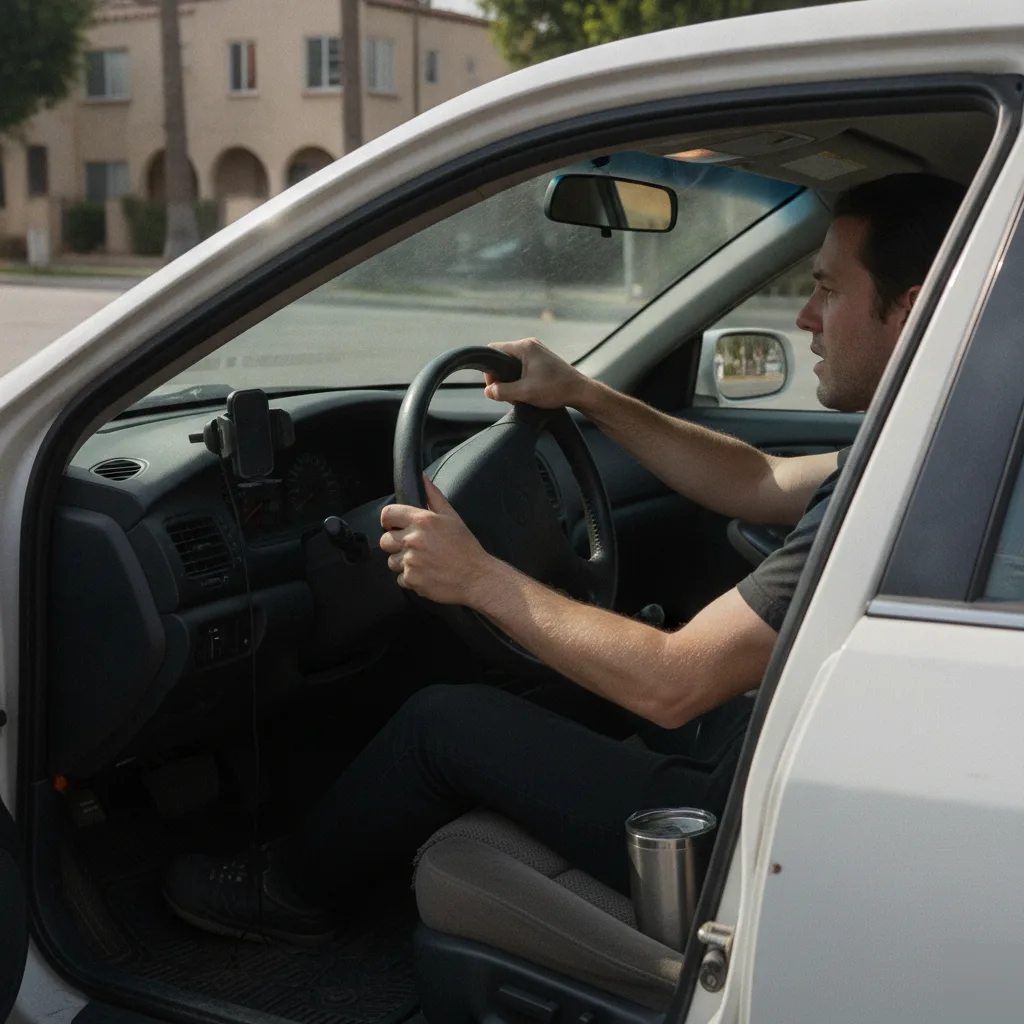 alt="Driver holding the steering wheel with both hands, correcting a vehicle that tracks to one side"
width="724" height="724" loading="lazy" decoding="async">
If your car pulls to one side on Trim Road but rides smooth otherwise, get the alignment checked first. It's cheaper, faster, and the actual fix. We'd rather tell you that straight than have you pay for suspension repair you don't need. A good inspection sorts out which one it is before anyone touches a bolt.
What an Honest Suspension Inspection Checks
A real suspension check takes more than a quick look under the car. We put your vehicle on the hoist, bounce every corner, and check for play in the joints while a second set of eyes watches the wheel move. The noise a customer describes points us straight to one part, but we still check the whole system. Skipping that step is how a shop misses the second problem hiding behind the first one.
- Shocks and struts checked for leaking fluid or a bounce that won't settle
- Control arms and bushings checked for cracking, tearing, or excess movement
- Tie rod ends and ball joints checked for play with the wheel jacked up
- Wheel bearings checked for humming or roughness when spun by hand
- Springs checked for sagging, rust, or a corner sitting lower than the rest
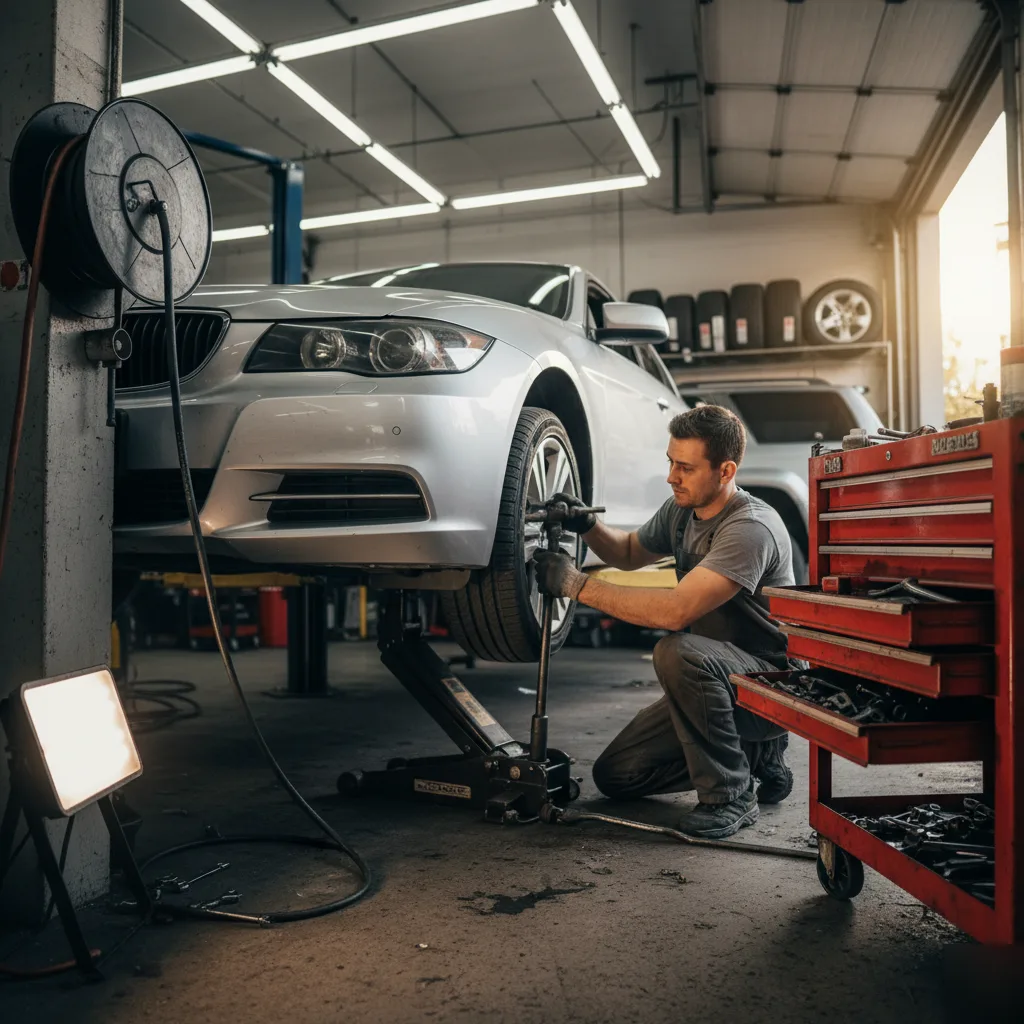 alt="Cracked and perished control arm bushing on a rust-marked suspension arm, with the brake disc and caliper visible behind it"
width="1024" height="1024" loading="lazy" decoding="async">
We send you photos and notes from the digital inspection before we touch anything. That's how you see what we see, not just hear about it. Roads like Innes Road and St Joseph Boulevard take a beating every winter. That pothole season shows up in worn tie rods and tired bushings more than most drivers expect. If your car came from another shop with a one-line quote and no photos, that's worth a second look.
How Suspension Repair Costs Are Structured
Suspension repair pricing isn't random. It's built on two things: parts and labor. Both can swing a lot depending on what's wrong.
Labor time depends on the part. A strut or shock swap is usually straightforward. A control arm or tie rod job can take longer if rusted bolts fight back. This happens a lot on Orléans vehicles that see winter salt on roads like Trim or Innes. Parts cost depends on your vehicle's make and model, whether the part is common or has to be ordered, and if one side needs work or both.
Here's what pushes a suspension repair bill up or down:
- How many components are worn (one bad strut is cheaper than a full front-end job)
- Whether an alignment is needed after the repair (most suspension jobs require one)
- Parts availability (some vehicles need special-order components)
- How much rust or corrosion is holding old bolts in place
- Whether the damage caused other issues, like uneven tire wear
We always walk you through what we find before we touch anything. That's the whole point of a digital inspection: you see the worn part on your own screen, not just our word for it.
Ask any shop these questions before you agree to work: what specific parts are failing, do all four corners need attention, and is an alignment included. A shop that answers clearly and shows you the worn part isn't trying to upsell you.
Being honest about cost structure is part of how we do business here in Orléans.
Struts, Control Arms, and Alignment: What Repair and Verification Look Like
Here's the part a lot of shops skip. Swapping a strut or control arm is the easy half. The alignment check after protects your tires and your steering feel. This step gets rushed when someone's in a hurry.
Frost heaves on roads like Innes Road and Tenth Line Road put extra stress on control arm bushings every winter. We see the wear pattern on Orleans vehicles almost every season. That kind of repeated jolt loosens bushings faster than smooth highway driving would.
- We check the worn strut or control arm against the mounting points for rust or play
- The old part comes out, and the new one goes in, torqued to factory spec
- Every bolt gets checked twice; the issue is one bad bushing, not the whole assembly
- We run a wheel alignment so the car tracks straight and tires wear evenly
- A short test drive confirms the noise is gone and the steering feels tight
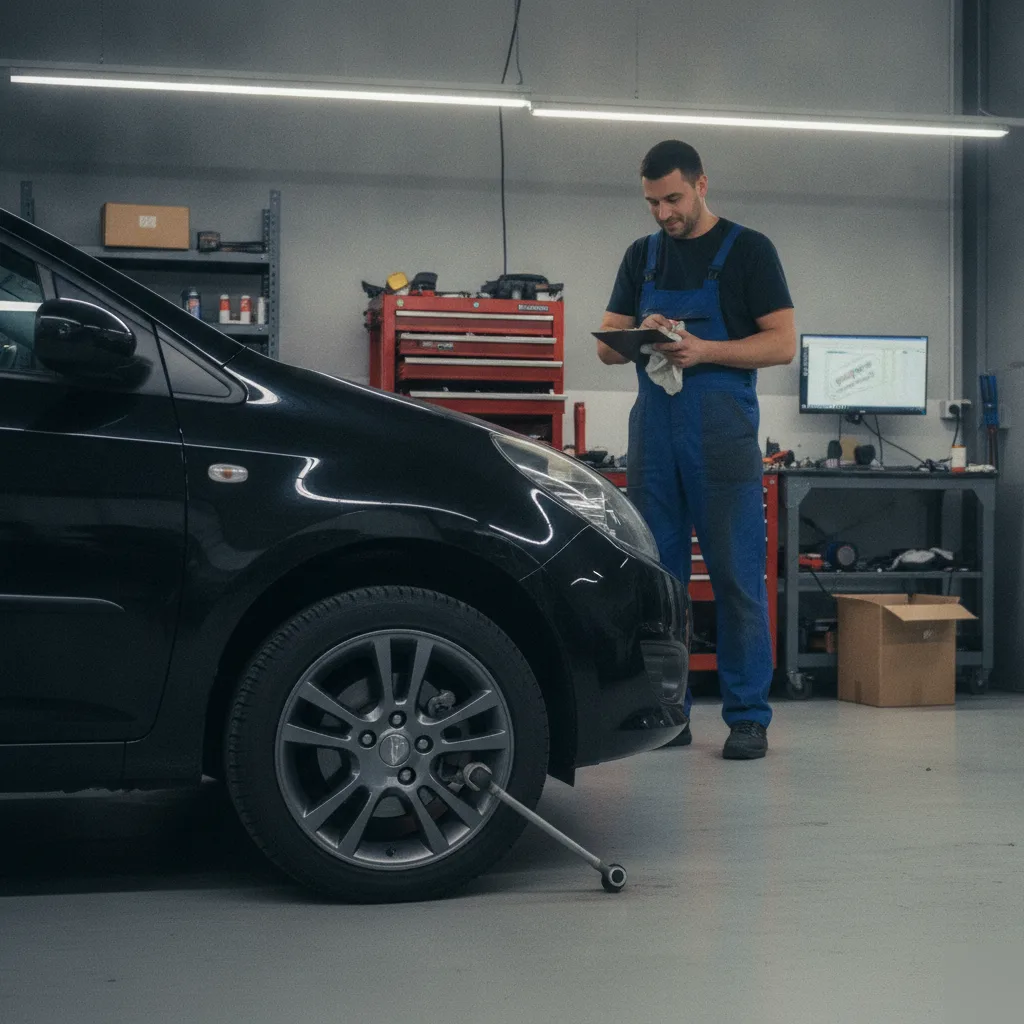 alt="Licensed technician recording inspection findings on a clipboard beside a vehicle in the service bay at Ottawa Easy Wheels in Orléans, Ontario"
width="1024" height="1024" loading="lazy" decoding="async">
Our licensed mechanics document what they find with photos before and after. We'll text you those updates so you're not left guessing what happened under your car. That's the honesty part of this job. You should see the worn part, not just hear about it.
Skip the alignment step, and you'll feel it within a few weeks: uneven tire wear or a pull to one side. It's a small step that saves you real money down the road.
Frequently Asked Questions
What happens when I bring my car in for a suspension check?
We put your car on the hoist and bounce every corner while checking for play in the joints. A second technician watches the wheel move to catch anything a quick glance would miss. You get photos and notes from the digital inspection before we touch a single bolt. This way you see the worn part yourself instead of just taking our word for it. It usually points straight to the problem, but we check the whole system anyway.
Do I need an alignment after suspension repair?
Yes, most suspension jobs need an alignment afterward. Replacing a strut, control arm, or tie rod changes how your wheels sit, so skipping this step can cause fast, uneven tire wear. Ask your shop upfront if alignment is included in the repair. A shop that answers clearly and explains why isn't trying to upsell you. It's just part of doing the job right the first time.
Why does my suspension seem worse after winter in Orléans?
Freeze-thaw cycles beat up roads like Innes Road and Trim Road every winter, and hitting those frost heaves stresses tie rods and bushings. Salt on the road also speeds up rust on bolts and components. This combination is why we see more worn suspension parts show up in spring than any other season. If your ride feels bouncier or your car pulls after a rough winter, it's worth getting checked.
How can I tell if my suspension is worn, not just my tires?
Push down on a corner of your car and let go. If it bounces once or twice, that's normal. Three or four bounces means a shock or strut is worn out. Clunking over bumps, a floaty ride, or a car that dips hard when you brake are other signs. Uneven tire wear alone doesn't always mean suspension trouble, so it's worth having both checked together.
Could my uneven tire wear be an alignment problem instead of suspension?
Yes, often it is. Wear on both edges with a deep center usually means low tire pressure, and wear down the middle points to overinflation. Feathered or combed tread and wear on just one edge usually mean an alignment issue, not a suspension part. Cupping or scalloped dips are the pattern that points back to worn shocks or struts. An inspection sorts out which one you're dealing with before any repair starts.
What makes one suspension repair cost more than another?
It comes down to how many parts are worn and how much rust is holding the old bolts in place. A single strut swap is quicker than a full front-end job, and rusted bolts from winter salt on roads like Trim or Innes can add labor time. Whether you need an alignment afterward and whether parts are common or special-order also factor in. Ask your shop which parts are failing and whether all four corners need attention before agreeing to anything.