Orléans, Ontario · St. Joseph Blvd
Brake Pad Replacement in Orléans
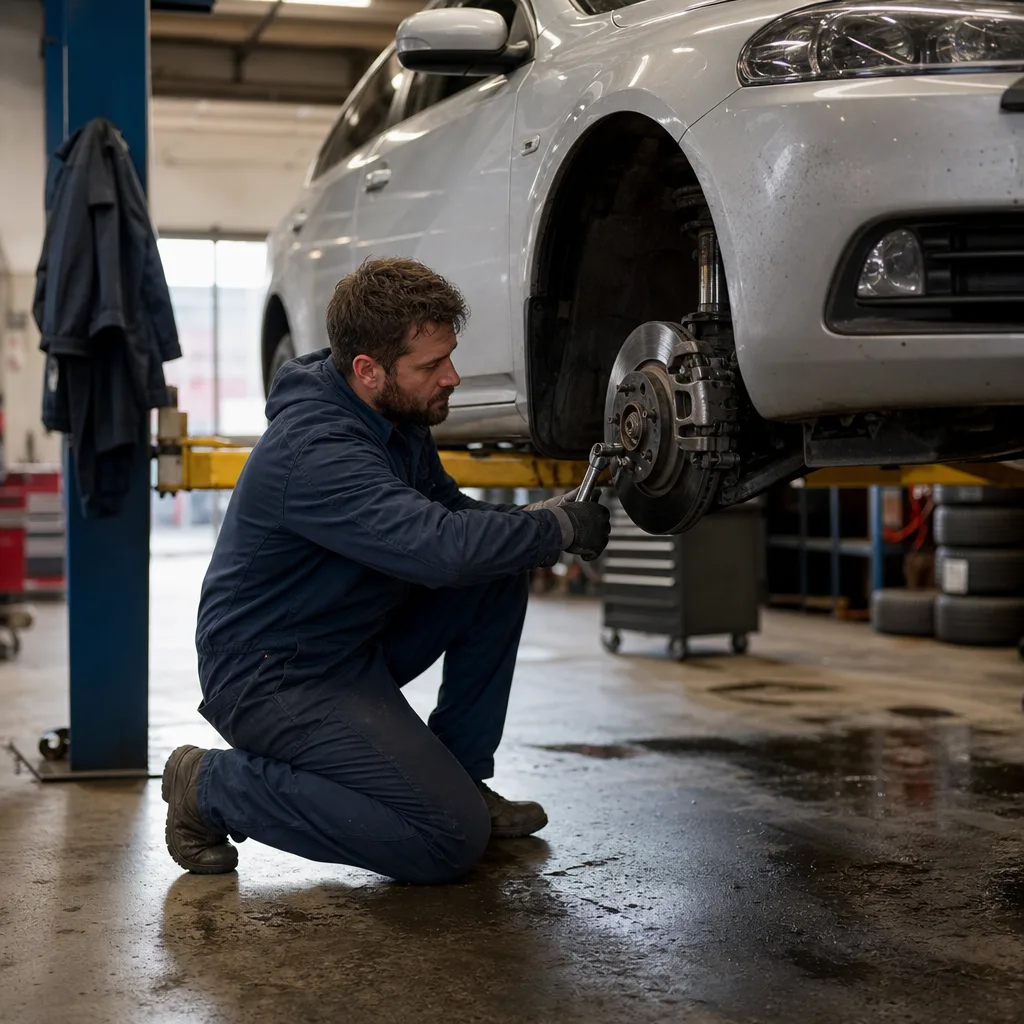
- You see the pads first
- Hardware cleaned, not just swapped
- Licensed mechanics Alex and Dan
- Serving Orléans since 2013
Signs Your Brake Pads Need Replacing
Worn brake pads usually tell you before they become a big problem, through squealing, grinding, a longer stop, or a car that pulls to one side. Catching these signs early often means you only need new pads instead of pads and rotors. Some noises, like a light scrape on a damp morning, are normal and nothing to worry about.
Your brakes are pretty good at letting you know when something's changing. The trick is knowing which sounds matter and which ones don't. Here's what to watch and listen for.
- A high-pitched squeal when you brake. Many pads have a small metal tab built in that squeals once the pad wears thin. It's meant to get your attention, and it's the best time to have things checked.
- Grinding or growling. This often means the pad material is worn down and metal is rubbing on metal. At this point the rotors can get damaged too, which turns a simple pad job into a bigger one.
- Stopping takes longer than it used to. If you press harder or brake earlier for the same stop, your pads may not be gripping the way they should.
- The car pulls to one side when you brake. This can point to uneven pad wear or a caliper that's sticking, which is worth a closer look.
- A vibration or pulsing in the pedal or steering wheel. This is often tied to the rotors, but it usually shows up alongside worn pads.
- A brake warning light on your dash. Some vehicles have pad wear sensors that turn on a light when the pads get thin. Don't ignore it.
- Pads you can see are thin. On some wheels you can spot the pad through the spokes. If there's very little material left between the metal backing and the rotor, it's time.
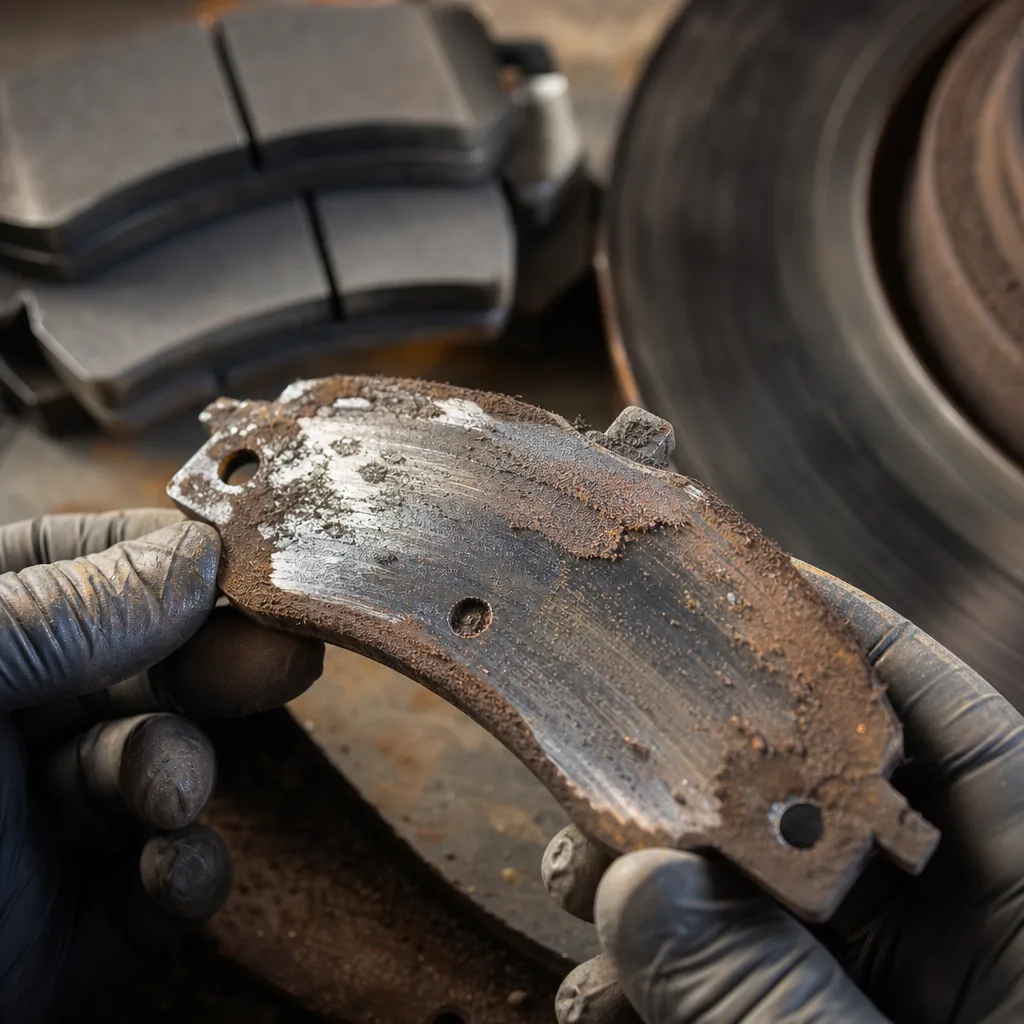
Now for the honest part. Not every brake noise means you need new pads. If your car sits outside overnight or after a rainy day, a thin layer of surface rust can form on the rotors. You might hear a light scrape or squeak for the first few stops, then it goes away. That's normal. A bit of dust on your wheels is normal too, since all pads shed some as they wear. If the noise disappears after a few stops and the car brakes the way it always has, you can usually just keep an eye on it.
What you don't want to do is wait on grinding. That sound is the difference between replacing pads and replacing pads plus rotors. It's the main reason a brake job ends up costing more than people expect. The sooner worn pads get swapped, the more likely the rest of the system is still in good shape.
Our winters can also play a part. Salt and slush on Orléans roads can lead to rust buildup around the brake hardware, which may cause pads to wear unevenly from one side of the car to the other. That's one reason it helps to have both sides checked, not just the one that's making noise.
If you're not sure what you're hearing, that's okay. Our goal is to help you make an informed decision, so we'll show you what we find and explain it in plain language before any work starts. You'll know exactly how much pad is left and whether it's something to fix today or check again at your next visit.
Why a Written Estimate Protects Orléans Drivers
A brake pad job should be easy to understand before anyone picks up a wrench. A written estimate does that. It shows you what's being replaced, why, and what's included, so you can compare it, ask questions, or take a day to think it over. If you catch worn pads early, that estimate should be short and simple. If it's long, you deserve to know exactly why.
Brake pricing isn't one flat number. A few pieces add up, and a good estimate lists each one so nothing feels hidden:
- Pads, and which grade. Pads come in different materials and quality levels. A better pad can be quieter, give off less dust, and last longer, so it should say which kind you're getting.
- Front, rear, or both. Pads are priced per axle, meaning both front wheels or both rear wheels together. Your fronts usually wear faster because they do most of the stopping.
- Rotors. Some jobs need new rotors, some don't. This is the biggest thing that pushes the cost up, and it's why waiting on grinding gets expensive.
- Hardware and slide pins. Clips and pins help the new pads move freely and wear evenly. Cleaning or replacing them is a small part of the job that makes a big difference.
- Labour. This covers the time to remove the wheels, swap the parts, and test drive the car.
Here's where our winters matter. All that salt and slush on Orléans roads can leave slide pins seized and hardware rusted in place. Sometimes a caliper is stuck, and you can't always tell until the wheel comes off. That's the moment a vague quote turns into a surprise. A clear estimate should spell out what happens if something new turns up, so you're never caught off guard at pickup.
Before you say yes to any brake job, wherever you go, these are fair questions to ask:
- How much pad material is left right now?
- Do my rotors really need replacing, and can you show me why?
- Is the hardware included, or is it extra?
- If you find something else once the wheel is off, will you call me before doing it?
- Is this needed today, or can it wait until my next visit?
A shop that's confident in its work won't mind any of these questions. If the answers feel rushed or fuzzy, that tells you something too.
For us, this is the whole point. We started this shop to help people make informed decisions about their own cars, and that's hard to do if you can't see what's going on. That's why we use digital inspections and send updates by text. You can see your pads and rotors for yourself, read what we recommend, and decide what makes sense for you and your budget. If something can safely wait, we'll tell you that too.
A written estimate keeps the decision in your hands. Worn pads caught early should mean a small, clear bill. You should know that ahead of time, not find out after.
When You Don't Need Full Brake Pad Replacement Yet
Sometimes the honest answer is that you don't need new pads yet. You might need less, or something different. Here are the cases where a full pad job isn't the right call.
There's still plenty of pad left. Pads wear slowly. If they've got good material left and they're wearing evenly, there's nothing to fix. The smart move is to check them again later, not swap them early. You'd be paying for brake life you haven't used yet.
Only one axle is worn. Your front pads usually wear faster than your rears. If the fronts are thin and the rears are fine, you only need the fronts done. There's no reason to replace all four wheels' worth of pads just because one end is ready.
The noise is coming from the hardware, not the pads. According to Counterman, a squeak or rattle doesn't always mean the pads are worn out.[1] Clips can loosen, and slide pins can dry out or get gummed up with road grime. When that happens, the pads can't move freely. Cleaning and freshening up the hardware may quiet things down and even out the wear, while your pads stay right where they are.
The problem isn't the pads at all. Some brake symptoms come from other parts. New pads won't fix them:
- A soft or spongy pedal that sinks toward the floor often points to the brake fluid or brake lines, not pad wear. A brake fluid change or brake line repair may be what's needed.
- A pulsing pedal with healthy pads can be a rotor issue on its own.
- A parking brake that won't hold is usually its own repair, separate from your regular pads.
- An ABS light on the dash is a different warning from a pad wear light and calls for a different kind of check.
Your pads are brand new and still settling in. Fresh pads and rotors take a little driving to wear into each other. A bit of noise or a slightly different pedal feel in the first stretch after a brake job can be part of that. If it doesn't settle down, or the car doesn't stop the way it should, have it looked at.
So when is waiting the wrong choice? If you hear grinding, if the pedal feels very different, or if the car pulls hard when you brake, don't put it off. Those are the signs from earlier on this page that the job is getting bigger, or that something needs attention now.
Here's an easy habit for Orléans drivers. Most of us swap between winter and all-season tires twice a year. The wheels are already off for the tire swap, so it's a handy time to ask for a quick look at your pads. You'll know how much life is left before the slush season starts or ends, and you can plan for a pad job instead of being surprised by one.
If you're told you need new pads and you've still got plenty left, it's fair to ask to see them. With a digital inspection, you can look at your own pads and decide for yourself whether it's time.
What Drives the Cost of Brake Pad Replacement
Two people can both need brake pad replacement and walk away with very different bills. That's not because one of them got a bad deal. It usually comes down to the car they drive, what's built into the brakes, and how they drive it. The line items on an estimate are only part of it. Here's what sits behind them.
Size and weight of the vehicle. A small car stops a light load. A pickup, a full-size SUV, or a van full of kids and hockey bags has a lot more weight to stop. Heavier vehicles use bigger pads and bigger rotors, and those parts cost more. If you tow a trailer or haul heavy loads, your brakes work harder and wear faster. Dan has worked on plenty of trucks and trailers, so if you use your vehicle for work or towing, tell us. It changes which pad makes sense for you.
What's built into your brakes. Newer cars often have extra technology that adds a step or a part to the job:
- Pad wear sensors. Some cars have a small sensor that turns on the dash light. Once it's been triggered, it often has to be replaced along with the pads.
- Electronic parking brakes. Many newer cars use a motor on the rear brakes instead of a cable. Those rear calipers have to be put into service mode with a scan tool before the pads can come out, which adds a bit of time.
- Hybrids and electric vehicles. These cars use the motor to help slow down, so the pads often last a long time. Pads that don't get used much can rust or stick, though, especially with our road salt. Low mileage on the pads doesn't always mean they're in good shape.
How and where you drive. Stop-and-go driving wears pads faster than steady highway driving. If most of your trips are short hops along St. Joseph Blvd with a light at every block, your pads do a lot more work than someone who mostly cruises the 174 into Ottawa. This doesn't change the price of a single brake job, but it changes how often you'll need one. That's the cost that really adds up over the years.
When you come in. This is the factor you have the most control over. As we covered earlier, pads that get replaced before they grind usually mean a much smaller job than pads left until the rotors are damaged. Getting them checked at your seasonal tire swap is one of the easiest ways to keep a brake job small.
Other brake items that come up at the same time. While the wheels are off, you might hear that your brake fluid is due or that a caliper is starting to stick. Those are separate decisions. A good shop tells you what it found, shows you, and lets you choose what to do now and what can wait. With our digital inspections, you'll see the photos and our notes by text, so nothing gets added without you knowing about it.
No price is the same for every car, and anyone who quotes you one without looking is guessing. What you can expect is a clear reason for every item on the list, so you can decide what's right for your car and your budget.
What Happens During a Brake Pad Replacement Visit
A brake pad visit has three parts. We check your brakes and show you what we find. You decide what you want done. Then the pads get replaced and the car gets test driven before it goes back to you. You stay in the loop the whole way, and nothing about your brakes happens behind a closed door.
Before you come into our shop at 2141 St Joseph Blvd, take a minute to notice what your car is doing. When does the noise happen? Is it on the first stop of the morning or all day? Is it louder on one side? Does it squeal, grind, or rattle? Small details like these help point us in the right direction faster, so jot them down or just tell us when you drop off your keys.
Alex and Dan are both licensed mechanics, and they work on customers' cars themselves. Once your wheels are off, we do a digital inspection and text you the photos and our notes. You'll see your own pads and rotors on your phone, along with what we recommend and why. If you have questions, ask. That's what the photos are for.
Once you've said yes, a proper brake pad job covers more than swapping old pads for new ones. Here's what it should include:
- Removing the wheels and the calipers so the old pads can come out.
- Checking the rotors for wear, grooves, or uneven spots. This is how you know whether they can stay or need to go.
- Cleaning the slide pins and hardware, then lubricating them so the new pads move freely and wear evenly. With all the salt on Orléans roads, this step matters a lot.
- Installing the new pads and putting the calipers back on.
- Pumping the brake pedal until it feels firm again and checking the brake fluid level.
- Taking the car for a test drive to make sure it stops straight and smoothly.
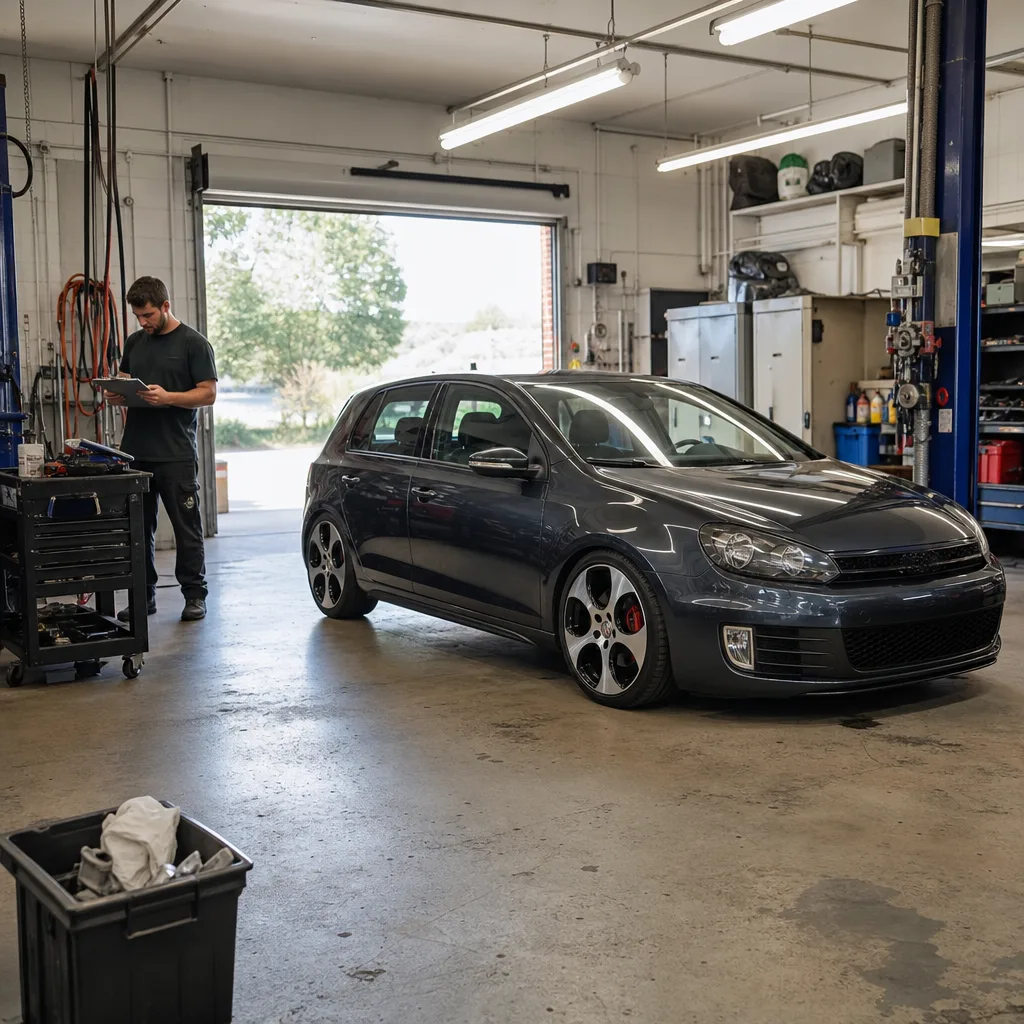
How long it takes depends on your car. A simple front pad job on a car that's been looked after moves quickly. Rotors, rear brakes with an electronic parking brake, or rusted hardware from a few Orléans winters can add time. If you'd rather wait than leave the car, just let us know when you book so we can plan around it.
Sometimes a wheel comes off and something new shows up, like a caliper that's starting to stick. As we covered earlier, that's a separate decision. You'll hear about it and see it before anything changes from what you approved.
When you pick up the car, feel free to ask to see your old pads next to the new ones. It's a quick, easy way to see exactly what you paid for. For the first little while, the brakes may feel slightly different as the new pads settle in, which we touched on above. If something doesn't feel right after that, bring it back and we'll take another look.
This is how we think a brake job should feel. It should be clear and unhurried, and the choices should be yours.
Frequently Asked Questions
Do I need to replace pads on both front wheels at the same time, or just the one that's squeaking?
Pads are replaced per axle, meaning both front wheels or both rear wheels together, not one wheel at a time. Your fronts usually wear faster since they handle most of the stopping. If only your fronts are thin, you don't need to touch the rears.
How long does a brake pad job usually take?
A simple front pad job on a well-maintained car moves quickly, often within a couple of hours. Rotors, rear brakes with an electronic parking brake, or hardware rusted from Orléans winters can add time. Let us know if you'd rather wait or need the car back by a certain time, so we can plan around it.
Can I keep driving if I just hear a light squeak and nothing else feels different?
Yes, a light squeak that disappears after a few stops is often just surface rust from sitting outside overnight or after rain, and it isn't a sign of worn pads. What matters is whether it goes away quickly and your braking feel stays the same. Grinding, a longer stop, or pulling to one side are the signs that mean don't wait.