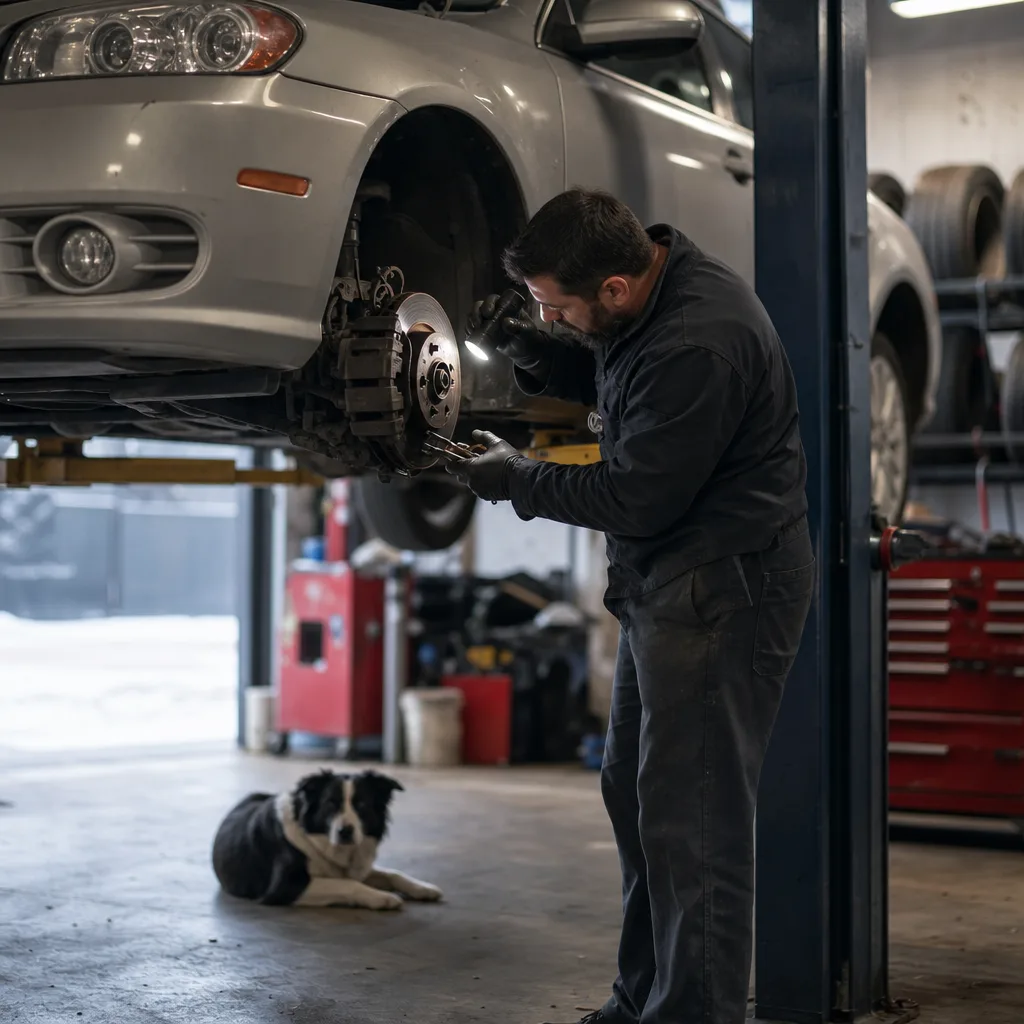
- Pad thickness measured, not guessed
- Photos before any work
- Licensed mechanics Alex and Dan
- Serving Orléans since 2013
Signs Your Vehicle Needs a Brake Inspection Now
Grinding, a soft or sinking pedal, pulling to one side, or a brake warning light all mean you should book a brake inspection soon, according to Tune Tech.[1] A light squeal or vibration is an early warning worth checking before it turns into a bigger repair. A short scrape on a damp morning that's gone after a few stops is usually just surface rust and nothing to worry about.
A brake inspection is really about one thing: giving you a clear, honest picture of what's happening with your brakes so you can decide what to do. You shouldn't have to guess. Your car usually tells you something's changing well before it becomes a big repair. Here's what to listen and feel for.
These signs mean you should get your brakes looked at right away:
- Grinding or a metal-on-metal scrape when you stop. This often means the pads are worn through and metal is rubbing on the rotor.
- A pedal that feels soft or spongy, or sinks toward the floor. This can point to air or a leak in the brake system.
- Your car pulls to one side when you brake. One wheel may be doing more work than the others, often because of a sticking caliper.
- The brake or ABS warning light stays on.
- A burning smell after normal driving, or wet spots of fluid near a wheel.
- It simply takes longer to stop than it used to.
These signs are early warnings. They're not an emergency, but they're worth checking soon:
- A high-pitched squeal when you brake. Many pads have a small built-in tab that squeals once they're getting thin.
- A pulsing or shaking feeling in the pedal or steering wheel when you slow down.
- A clunk or knock when you first press the brakes.
Not every noise is bad news. On a damp morning, you might hear a light scrape for the first few stops that goes away on its own. That's usually a thin layer of surface rust on the rotors wiping off, and it's normal. If the noise sticks around or gets louder, it's time to have a look.
Our winters make brakes work harder here. Months of road salt, slush, and freeze-thaw on Ottawa and Orléans streets can speed up rust on rotors, calipers, and brake lines. Rust can make a caliper stick or a pad wear unevenly. You may not notice anything until spring, when the car starts pulling a little or one wheel feels warmer than the others after a drive. If you've just come through a long winter and something feels slightly off, trust that feeling.
You don't need a symptom to book a check, either. If you can't remember the last time someone looked at your brakes, or you're getting ready for a long highway trip, an inspection is a good way to know where you stand. If you're shopping for a used car, our pre-purchase inspection can tell you how much life the brakes have left before you buy.
Whatever brings you in, our goal is the same. We'll show you what we find and explain it in plain language, then let you decide what makes sense for you and your car.
What a Brake Inspection Checks
A proper brake inspection is more than a quick look through the wheel spokes. To give you an honest picture, someone has to check every part that helps your car stop, from the pads to the fluid. Here's what a thorough inspection covers and what each part can tell you.
- Brake pads: These are the parts that press against the rotor to slow you down. The key question is how much pad is left. It also matters whether both sides are wearing evenly. If the inner pad is much thinner than the outer one, that usually points to a problem with the caliper, not just old pads.
- Rotors: These are the metal discs the pads squeeze. They get checked for deep grooves, a raised lip around the edge, heat spots, and rust. A rotor that has worn too thin or has warped can cause that shaking feeling in the pedal. Some rotors can stay on with new pads, and some need to be replaced.
- Calipers and slide pins: The caliper is the clamp that holds the pads. It needs to move freely. If it sticks or the pins seize, one pad drags. That wears it out fast and can make the car pull to one side.
- Brake lines and hoses: Steel lines run under the car, and rubber hoses connect them to each wheel. Inspectors look for rust, cracks, bulges, and wet spots that could mean a leak. After a few winters of salty roads, the steel lines deserve a close look.
- Brake fluid: This includes the level in the reservoir and the condition of the fluid. Brake fluid slowly soaks up moisture from the air over time. That can lower how well it works under heavy braking and can lead to rust inside the system.
- Parking brake: Does it hold the car? Will it be released fully? A parking brake that's partly stuck can drag without you noticing.
- Warning lights and ABS: If your brake or ABS light is on, that's part of the check, because the cause can be anything from low fluid to a faulty wheel sensor.
- How it feels on the road: A short drive helps confirm what the parts are showing, like pulling, pulsing, noise, or a pedal that feels off.
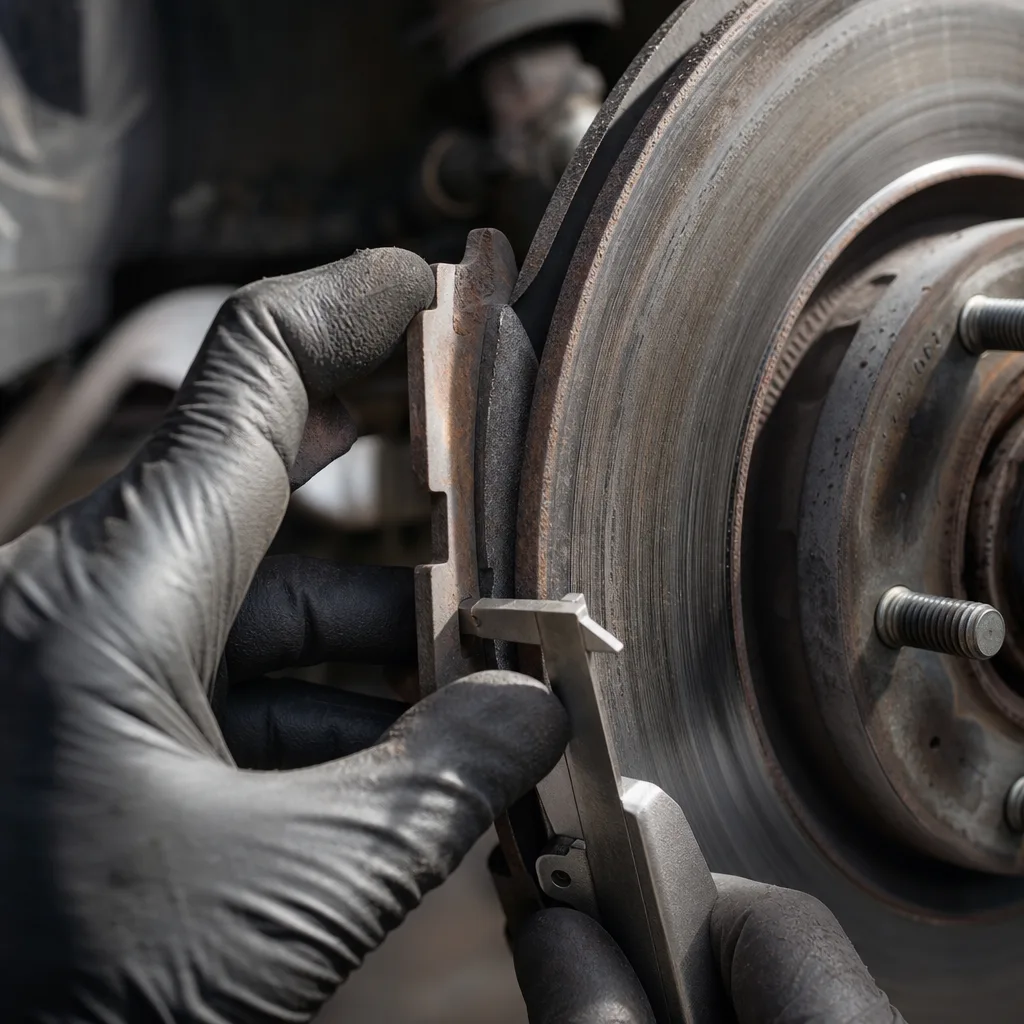
A good inspection should end with clear answers, not vague warnings. You should know which parts are fine, which ones are wearing but can wait, and which ones need attention now. Pad wear and rotor thickness can be measured, so you shouldn't have to take anyone's word for it.
That's why we like digital inspections. They let you see what we're seeing, and we'll keep you posted with a text update instead of leaving you waiting by the phone. If we find worn pads, you'll see them. If your brakes have plenty of life left, we'll tell you that too, and you can drive away without spending extra money.
Sometimes an inspection turns up something that has its own fix. Old fluid might call for a brake fluid change. A rusted line might need brake line repair. A sticky lever might need parking brake repair. We'll explain what each one involves and why it matters, so you can make the call that's right for your car and your budget.
Brake Inspection and the Ontario Safety Standards Certificate
If you're buying or selling a used car in Ontario, you'll probably hear about the Safety Standards Certificate. Brakes are a big part of it. So it's fair to ask: if the car passes its safety, do you still need a brake inspection? The honest answer is that they do two different jobs.
A safety certificate is a pass-or-fail check. It asks one question: on the day of the inspection, does the vehicle meet Ontario's minimum safety standards? Brakes that are just above the minimum can pass. A safety certificate doesn't tell you how long those brakes will last, and it isn't a promise about next month.
A brake inspection answers a different question. It tells you how much life is left, which parts are fine, and which ones are starting to wear. That's the kind of clear picture you need to plan ahead and budget, not just to clear a hurdle.
Here's how that plays out in real life:
- You're buying. The car comes with a fresh safety, and that's a good start. But the pads could be close to the minimum, and you'd be the one paying for them in a few months. A brake inspection, or a full pre-purchase inspection, tells you that before you hand over the money.
- You're selling. Brakes are a common reason a car doesn't pass. If you have a brake inspection done first, you'll know what you're facing and can decide whether to fix it, price it into the sale, or sell the car as is. You won't get a surprise on the day of the safety.
- You just bought a car. If the safety was done a while ago, or you aren't sure how carefully the brakes were looked at, a brake inspection gives you a baseline from day one.
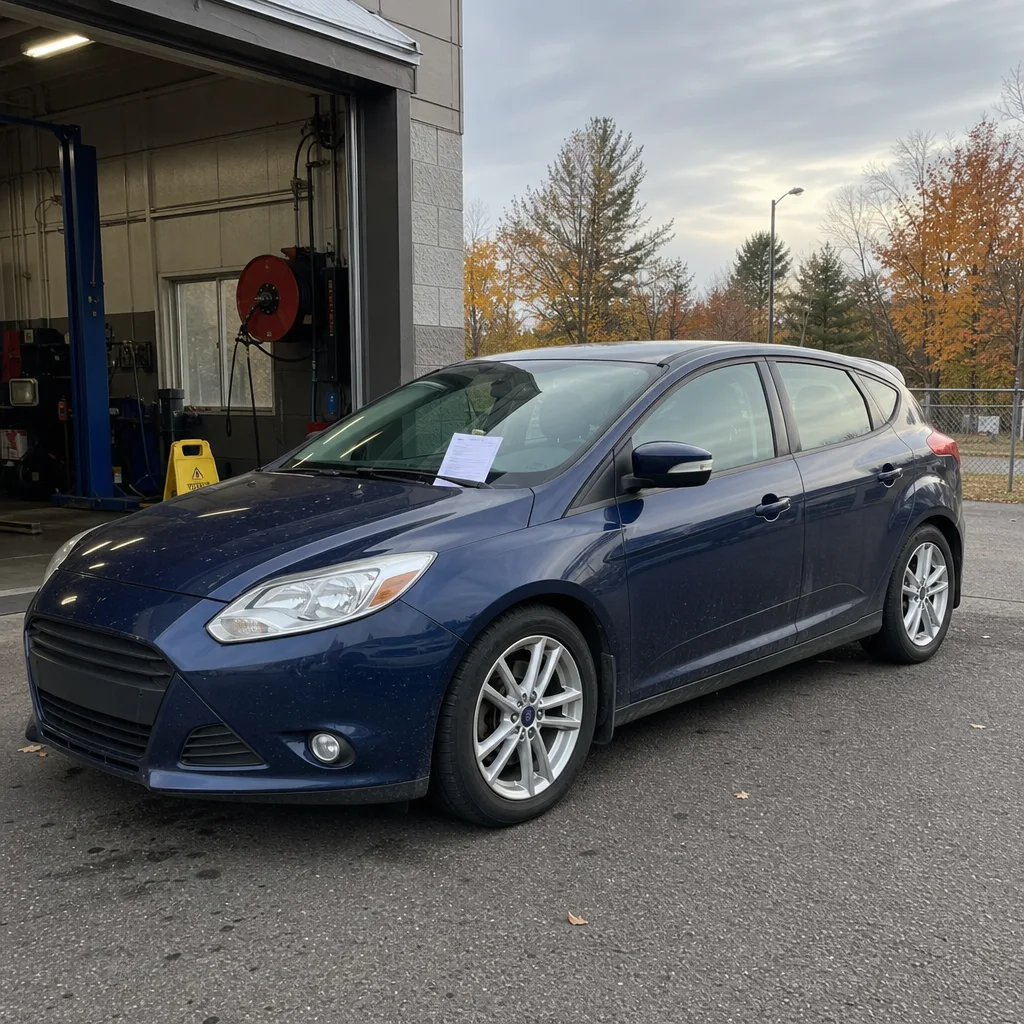
Our winters matter here too. A car that has spent several seasons on salted Ottawa and Orléans roads can look fine from the outside and still have rust building up on the brake lines or a caliper that's starting to stick. Those things may still pass a minimum standard today. They can turn into a repair sooner than you'd expect.
We offer both a brake inspection and the Safety Standards Certificate, so you don't have to pick one shop for each. If you only need the safety certificate, that's what we'll do. If you'd like to know where your brakes really stand, we'll walk you through what we find in plain language and show you the photos. You can decide on the safety, the repairs and the timing with the full picture in front of you.
Think of it this way: a safety certificate tells you the brakes are good enough today. A brake inspection tells you how long "good enough" is likely to last.
Why an Inspection Finding Should Be One You Can Trust
Brakes are one of the easiest repairs to feel pushed into. You can't see them yourself, and nobody wants to argue with the word "unsafe." That's why a brake finding is only worth something if it holds up to a few plain questions. This is true at any shop, including ours.
Before you say yes to any brake work, it's fair to ask:
- What exactly is worn, and by how much?
- Does this need doing now, or can it wait? If it can wait, about how long?
- What happens if I wait?
- Is it the front brakes, the back brakes, or both?
- Can you show me?
A good answer is specific. "Your front pads are getting thin, but the rears have lots left" tells you something. "You need a full brake job" doesn't. Front and rear brakes often wear at different speeds, so needing one end done doesn't mean you need all four wheels.
It also helps to know what drives the cost of brake work. That way, a quote makes sense before you agree to it. These are the main things that move the price:
- Pads only, or pads and rotors. Swapping pads alone costs less. Rotors that are too thin or warped add parts and time.
- One end of the car, or both. Doing just the fronts or just the rears costs less than doing all four wheels.
- Extra parts. A sticking caliper, a rusted brake line, or old fluid each add their own parts and labor. These are more likely on a car that has been through several salty winters.
- Your vehicle. Bigger trucks, SUVs, and some performance cars use larger or more costly brake parts.
Ask for an estimate that lists parts and labor separately before any work starts. If another shop has quoted you a big brake job and something doesn't add up, asking for a second opinion is reasonable. A trustworthy shop won't mind.
Here's why we think you can trust what we tell you. Ottawa Easy Wheels is owned and run by two brothers, Alex and Dan. They're both licensed mechanics, and they work on customers' cars themselves. Alex is a licensed automotive technician with dealership and private-shop experience, including 10 years at Mazda. Dan brings experience with trucks, trailers and private-sector repair work.
We've been fixing cars in Orléans since 2013. Our whole approach is about honesty and helping you make your own informed decision about your car. That's also why we've earned more than 300 five-star reviews on Google from people around here.
When we inspect your brakes, you'll get the same straight answer we'd give our own family. Sometimes that answer is "you're good for a while yet." If something does need work, you'll know what it is, why it matters, and how soon it needs doing. You stay in charge of the decision.
From Inspection to Repair: What Happens If a Problem Is Found
Finding a problem doesn't mean you're stuck with a big bill that same day. An inspection is only useful if it helps you plan. So when something turns up, the next step is sorting it out together: what's urgent, what can wait, and what you'd like to do about it.
We sort what we find into three simple groups, so you know where every finding stands:
- Needs attention now: Something affects how safely your car stops, like pads worn down to metal or a leaking brake line. If we don't think it's safe to drive, we'll tell you that plainly.
- Coming up soon: Parts that are wearing but still doing their job. You can plan for these over the next while instead of rushing.
- Fine for now: Parts with plenty of life left. It's good news, and you should hear it just as clearly as the bad news.
Here's how that might look. Say your car has a light squeal. The inspection shows the front pads are thin, but the rotors are still in good shape and the rear brakes have lots left. That's a fairly simple fix: a brake pad replacement up front, and nothing more. If the front rotors were grooved or too thin, you'd be looking at a brake pad and rotor replacement instead. If one caliper was sticking and wearing out its pad faster than the others, that could call for a brake caliper replacement. If your ABS light is on, we can trace the cause and handle the ABS repair if it's needed.
Timing is your call. Some people like to fix everything in one visit. Others would rather handle the urgent item now and plan the rest for later. Both are fine, as long as you know what you're choosing and what waiting could mean for that part.
Around Ottawa, one easy way to plan is to line brake work up with your seasonal winter tire change. The wheels are already off then, so it's a natural time to deal with anything that was flagged as coming up soon. It also means you head into winter, or come out of it, knowing your brakes are ready for salty, slushy roads like St Joseph Blvd and the 174.
You'll see the photos from your digital inspection and get a text update, so you can look things over at home, talk it through with your family, or take your time thinking about it. If you'd like the work done here, we'll take care of the brake repair. If you'd rather think about it or get another opinion, that's completely okay. The findings are yours to use however you like.
What matters most is that you drive away understanding your brakes, not just paying for them.
Frequently Asked Questions
How often should I get my brakes inspected in Orléans?
A good rule of thumb is once a year, but our winters change that. Months of road salt and freeze-thaw on Orléans streets can speed up rust on rotors, calipers, and lines. If you just finished a long winter or you're not sure when brakes were last checked, that's a good time to book one too.
Can I still drive my car if a brake inspection finds a problem?
It depends on what we find. If pads are worn to metal or a line is leaking, we'll tell you plainly if it isn't safe to drive. Many findings fall into a 'coming up soon' category, meaning the part still works but is wearing, so you can plan the repair instead of rushing into it that same day.
Does a brake inspection take long, or can I wait at the shop?
A thorough check includes a short test drive to confirm what the parts are showing, like pulling, pulsing, or noise, on top of checking pads, rotors, calipers, lines, and fluid. You'll get a digital inspection with photos and a text update, so you can review everything at your own pace instead of waiting by the phone.
Will a brake inspection catch problems a mechanic can't see just by looking?
Yes, a full inspection measures things you can't judge by eye, like pad thickness and rotor condition, instead of relying on a quick glance through the wheel. It also checks brake fluid condition, since fluid absorbs moisture over time, and tests the parking brake and warning lights, which a visual-only check can miss.