Orléans, Ontario · St. Joseph Blvd
Car Diagnostics in Orléans
Empowering customers to make informed decisions.
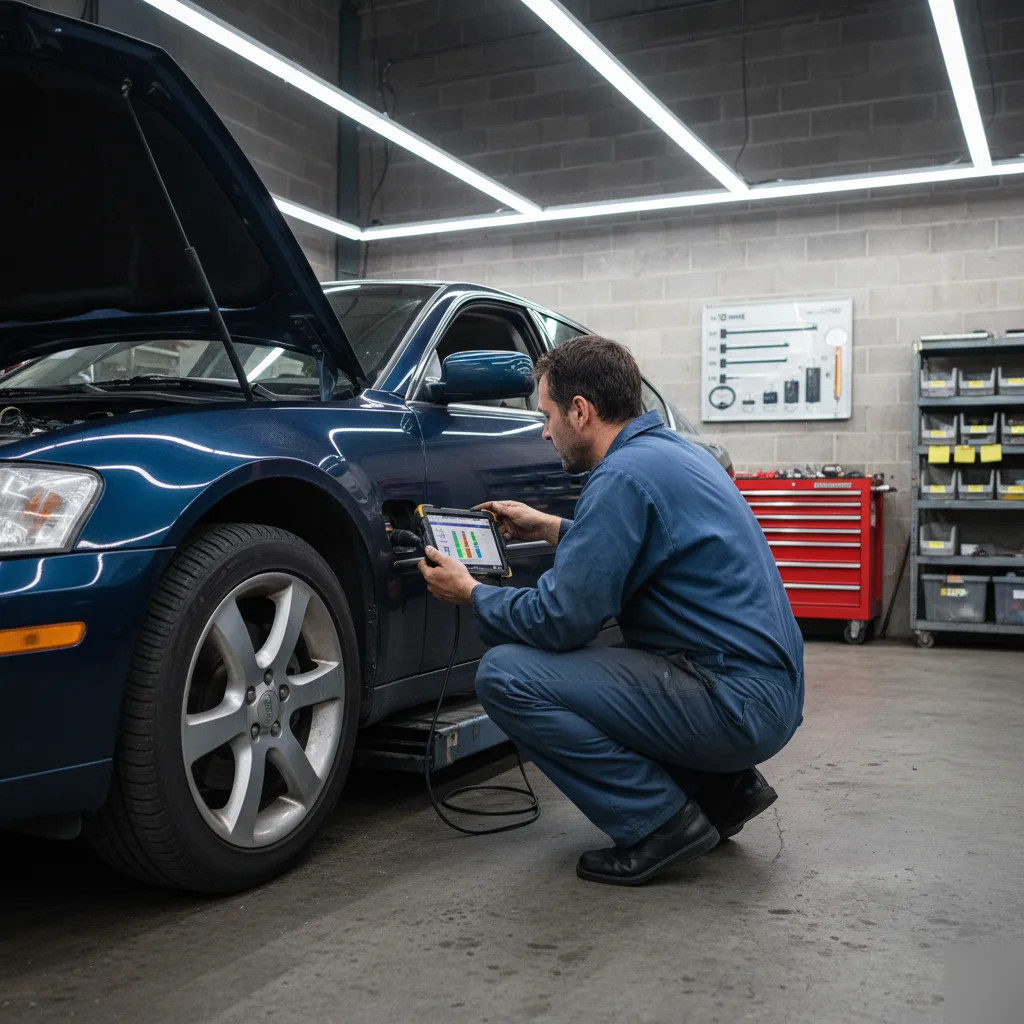
- Tested, not guessed from a code
- Text updates with photos
- Licensed mechanics Alex and Dan
- Serving Orléans since 2013
Signs Your Car Needs a Diagnostic Check
A check engine light isn't the only sign your car needs a diagnostic check. Rough idling, sudden fuel economy drops, stalling, and other dashboard lights all point to a problem. Catching these early usually means a smaller repair bill.
That little orange light on your dash gets a bad reputation. People assume something huge is wrong, so they wait. Or they figure it'll go away on its own. It won't.
We see this every week. Someone drives in with a check engine light that's been on for three months. A simple sensor swap turned into something bigger because the car kept running in a bad pattern the whole time. Here's what to watch for:
- Check engine light or any other warning light staying on or flashing
- Rough idle, like the engine is shaking or hesitating when you're stopped
- Stalling at lights or when you slow down
- A noticeable drop in fuel economy over a few weeks
- Hard starts, especially on cold mornings after an Orléans winter freeze
- Odd smells, ticking, knocking, or grinding sounds you haven't heard before
Cold starts matter here more than people think. Once temperatures drop hard through an Orléans winter, sensors and connections that were borderline all fall get exposed fast — that's when a lot of check engine lights show up for the first time.
Not sure if what you're feeling counts as a real problem? If your gut says something's off, trust it. A diagnostic check will tell you for sure.
Code Reading vs. Real Diagnosis: Know the Difference
According to the Environmental Protection Agency (EPA), every gasoline vehicle sold in Canada and the United States since 1996 is built around the same federally mandated OBD-II port, standardized under SAE J1962.[1] That's why the 16-pin connector under your dash in a 2003 Civic looks identical to the one in a 2022 Silverado. Because the hardware is universal, the code itself has become a commodity. Most auto parts stores in Orléans and across Ottawa will plug in a generic scanner and hand you a printout for nothing. That free service has trained a lot of drivers to think the code is the diagnosis. It isn't.
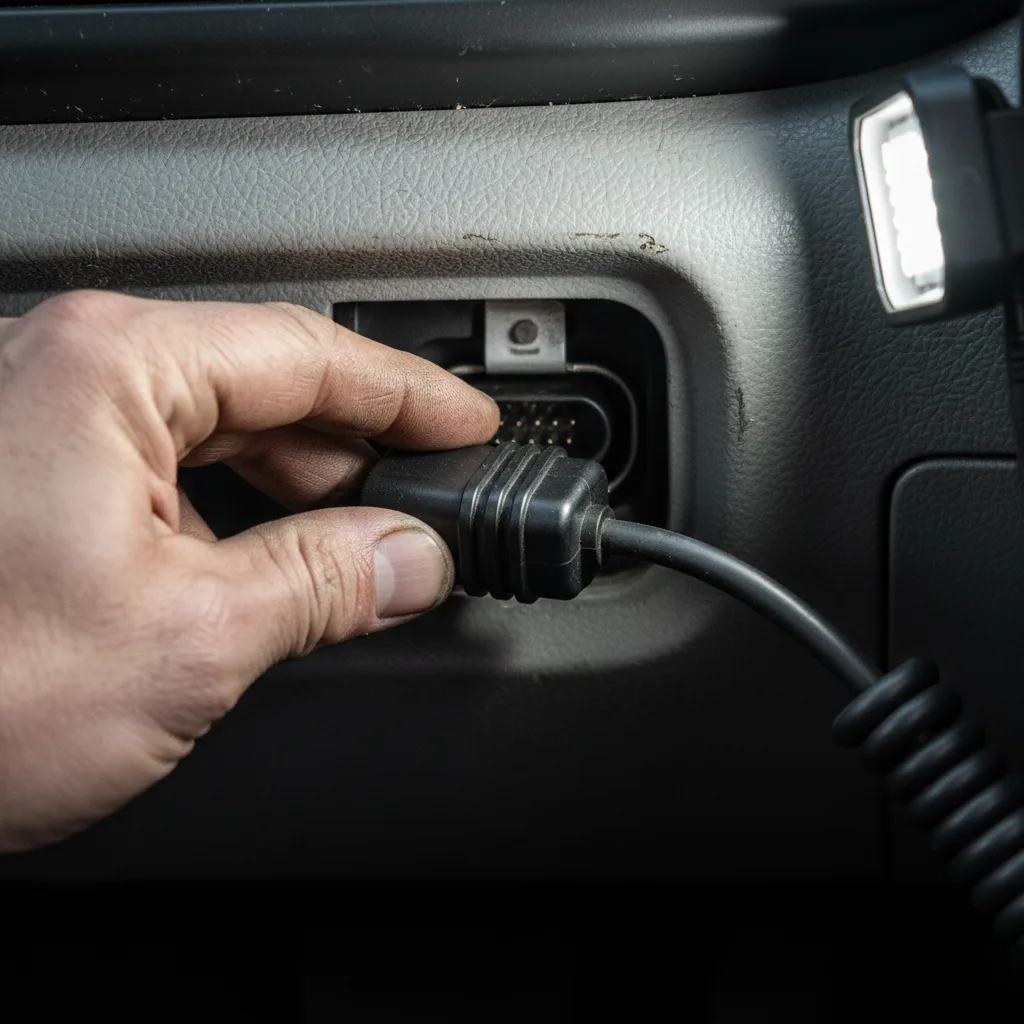
A trouble code like P0301 tells you a cylinder misfire was detected on cylinder one. It does not tell you whether the cause is a worn spark plug, a failing ignition coil, a vacuum leak, low fuel pressure, or a wiring fault chafed against the engine bracket. Codes point to a system or a circuit, not a specific failed component. Reading the code is step one of maybe six. The remaining steps — checking live data, testing components with a multimeter or fuel pressure gauge, cross-referencing technical service bulletins for your exact engine and model year — are where real diagnosis happens.
This is the gap that separates a free parts-store scan from a paid diagnostic appointment at a proper shop. You're not paying for the code, you're paying for a technician's time, training, and equipment to figure out which of the several possible causes behind that code is the one failing in your car. According to experts at OBDeleven, a common code like a P0420 catalyst efficiency fault, the fix could be anything from a fifteen-dollar oxygen sensor to an eight-hundred-dollar catalytic converter. Guessing wrong based on the code alone wastes money and doesn't fix the car.[2]
Because that interpretation step carries real cost and real judgment, it deserves a real conversation. Before any repair order goes forward, a mechanic worth trusting will sit down with you, pull up the specific data points that led to the conclusion, and explain in plain terms why a particular part is being recommended rather than another. That personal walkthrough, not the code on the printout, is the actual diagnostic work you're paying for. It's what should happen at any shop in Orléans before a wrench touches your vehicle.
When You Can Skip the Diagnostic Visit
Not every trip to your car needs a diagnostic scan, and any honest shop in Orléans will tell you the same. If you're simply booking a routine oil change or a tire rotation before winter and your dashboard is clear of warning lights, there's no reason to add a diagnostic fee to the bill. These scheduled services are about maintenance, not troubleshooting. A scan tool won't tell your technician anything useful if the car isn't reporting a problem in the first place.
Another common scenario drivers run into on Orléans roads: the check engine light pops on after filling up at a station along Jeanne d'Arc Boulevard or Tenth Line Road, then disappears a day or two later. This is often caused by a loose or improperly sealed gas cap, which triggers an evaporative emissions fault code. Modern vehicles typically need two to three complete drive cycles — a full sequence of engine start, warm-up, and shutdown — before the system clears a resolved fault on its own. If you tighten the cap and the light goes out within that window and doesn't come back, you likely never needed a diagnostic appointment at all. Here's a few other scenarios:
- Routine oil changes, tire rotations, or brake pad inspections with no warning lights illuminated
- A check engine light that appears once after refueling and clears within a few days of normal driving
- Minor tire pressure light triggered by cold Orléans mornings, which often resolves once tires warm up or are properly inflated
- Scheduled manufacturer maintenance items like filter changes that don't involve any reported fault codes
Honesty cuts both ways. If a check engine light returns after clearing, flashes instead of staying solid, or comes back paired with rough idling, stalling, or a noticeable drop in fuel economy, that's no longer a case to wait out. A returning light means the underlying issue wasn't a loose cap or a fluke sensor reading, and it deserves a proper diagnostic scan before it turns into a bigger repair. The same goes for any warning light accompanied by unusual noises, smells, or handling changes, regardless of whether it's the first time you've seen it.
The goal isn't to fill every appointment with extra services. It's to help Orléans drivers know the difference between a false alarm and a real one. So when you do bring your vehicle in, you can trust the recommendation is based on what your car needs.
What Happens During Your Diagnostic Appointment
You don't need to know what's wrong before you call us. That's our job. When you bring your car in for Car diagnostics, here's what happens, step by step.
- We ask you what you noticed. A weird noise on Innes Road, a smell after highway driving, the check engine light coming on cold mornings. Every detail helps.
- We hook up a scan tool to pull trouble codes from the car's computer.
- The codes point us in a direction, they don't hand us an answer. So the technician inspects the actual parts, wires, and connections tied to that code.
- If the problem only shows up while driving, we'll take it for a test drive to catch it in action.
- We explain what we found in plain language, no jargon, and you'll usually get a text update with photos if we're mid-inspection.
- You get options. We tell you what needs fixing now and what can wait, and you decide.
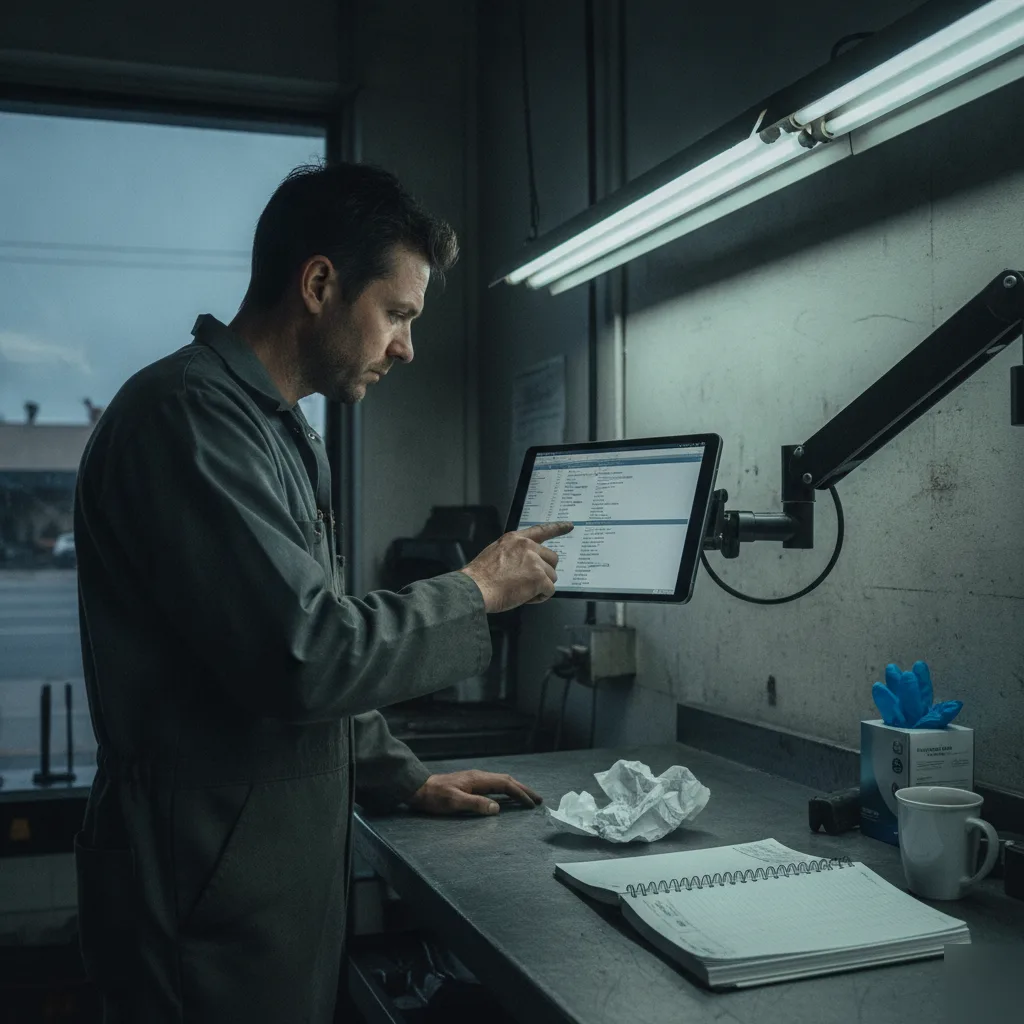
That last step matters most. Some shops skip straight from code to repair, and you end up paying for parts that were never the actual problem. We'd rather spend twenty extra minutes confirming it than have you back next week with the same light on.
Most diagnostic visits take under an hour. Electrical issues and intermittent problems can take longer since they don't always show up on command.
Cold-Weather Triggers Behind Winter Check Engine Lights in Orléans
Environment and Climate Change Canada's climate normals put Ottawa-area January temperatures well below 0°C, with overnight lows regularly dipping past -15°C and occasional stretches colder than -25°C. Orléans drivers feel this every winter, and so do their vehicles. Extreme cold changes how fuel atomizes, how oil flows, and how electrical systems perform. This is why check engine lights become far more common between December and March. A car that ran perfectly in October can suddenly throw a code on a -20°C morning because cold air is denser and fuel doesn't vaporize the same way. This leads to a lean or inconsistent air-fuel mixture during startup.
One of the most frequent culprits is a cold-start misfire. Spark plugs and ignition coils that are already marginal often fail only when temperatures drop — cold cranking demands more voltage, and cold fuel is harder to ignite cleanly. This shows up as rough idling, hesitation, or a flashing check engine light within the first few minutes of driving, and it sometimes disappears once the engine warms up, tempting drivers to ignore it. Battery and alternator strain is another major seasonal trigger. Cold reduces a battery's effective capacity by a significant margin, so a battery that was borderline in September may struggle to deliver enough current in January. An alternator working harder to recharge a cold battery and power a rear-window defroster, heated seats, and headlights simultaneously can trip charging-system codes.
Block heater circuit faults are also distinctly local to Ottawa-area winters. Many Orléans homes and driveways have block heater outlets, and a damaged cord, blown fuse, or faulty relay can prevent the engine from warming properly overnight. This forces a harder cold start, increasing wear on the starter and battery and triggering temperature-sensor-related codes once the engine finally does start. Codes to look out for:
- P0300-series misfire codes appearing only on cold mornings
- Charging system or low-voltage codes tied to a strained battery or alternator
- Coolant temperature sensor codes linked to a block heater that isn't heating
- Oxygen sensor or fuel trim codes caused by cold, dense air affecting combustion
None of these issues tend to improve on their own once temperatures drop further. A misfire ignored in December often becomes a stalled commute on Highway 174 in February. Getting the light scanned early lets a technician distinguish a simple cold-weather quirk from a developing mechanical problem before the next cold snap makes it worse.
Frequently Asked Questions
What happens when I bring my car in for a diagnostic check?
We start by pulling the trouble codes and checking live data from your car's computer. Then we test the actual parts tied to that code, like sensors, wiring, or fuel pressure, instead of guessing. Before any repair goes forward, we sit down with you and walk through what we found. You'll hear in plain terms why we're recommending a specific fix. That conversation is the real diagnostic work, not just the code on a printout.
How long does a car diagnostic take and what happens after?
A diagnostic check usually takes under an hour once we're testing the specific system tied to your warning light. After that, we explain what we found and what caused it, not just which code showed up. If the fix is simple, like a sensor, we can often handle it the same visit. If it needs parts or more testing, we'll tell you what to expect before anything else happens to your car.
Why does my check engine light come on more during Orléans winters?
Cold starts put stress on sensors and connections that were already borderline. Once temperatures drop hard through an Orléans winter, those weak spots get exposed fast, and that's when a lot of check engine lights show up for the first time. Hard starts on cold mornings are one of the clearest signs worth getting checked. Catching it early usually means a smaller repair instead of a bigger one down the road.
My check engine light came on after filling up near Jeanne d'Arc Boulevard, does it need a diagnostic?
Not always. A light that appears once after refueling is often caused by a loose gas cap, which triggers an evaporative emissions code. Your car usually needs two to three full drive cycles to clear that on its own. Tighten the cap and watch it for a few days. If it clears and stays off, you likely never needed a diagnostic visit. If it comes back, get it scanned.
What's the difference between a free code scan and a real diagnostic?
A free scan just reads a code, like a cylinder misfire, but that code points to a system, not the exact failed part. A real diagnostic goes further, checking live data and testing components like spark plugs, coils, or fuel pressure to find the actual cause. Reading the code is step one of about six. Skipping the rest means guessing at repairs, which can waste money without fixing the real problem.
What warning signs mean I should book a diagnostic instead of waiting?
Watch for a check engine light that returns after clearing, flashes instead of staying solid, or shows up along with rough idling, stalling, or a fuel economy drop. Odd smells, ticking, or grinding sounds also count. These are signals the issue isn't a fluke sensor or a loose cap. Waiting on a returning light usually turns a small fix into a bigger repair, so it's worth booking a proper check sooner.
Sources
- Environmental Protection Agency (EPA). https://nepis.epa.gov/Exe/ZyPURL.cgi?Dockey=P100LW9G.TXT ↩
- OBDeleven (2024). https://obdeleven.com/p0420 ↩