Orléans, Ontario · St. Joseph Blvd
Vehicle Inspection in Orléans
Buying, selling or registering — we text photos as we go, so you see exactly what we see.
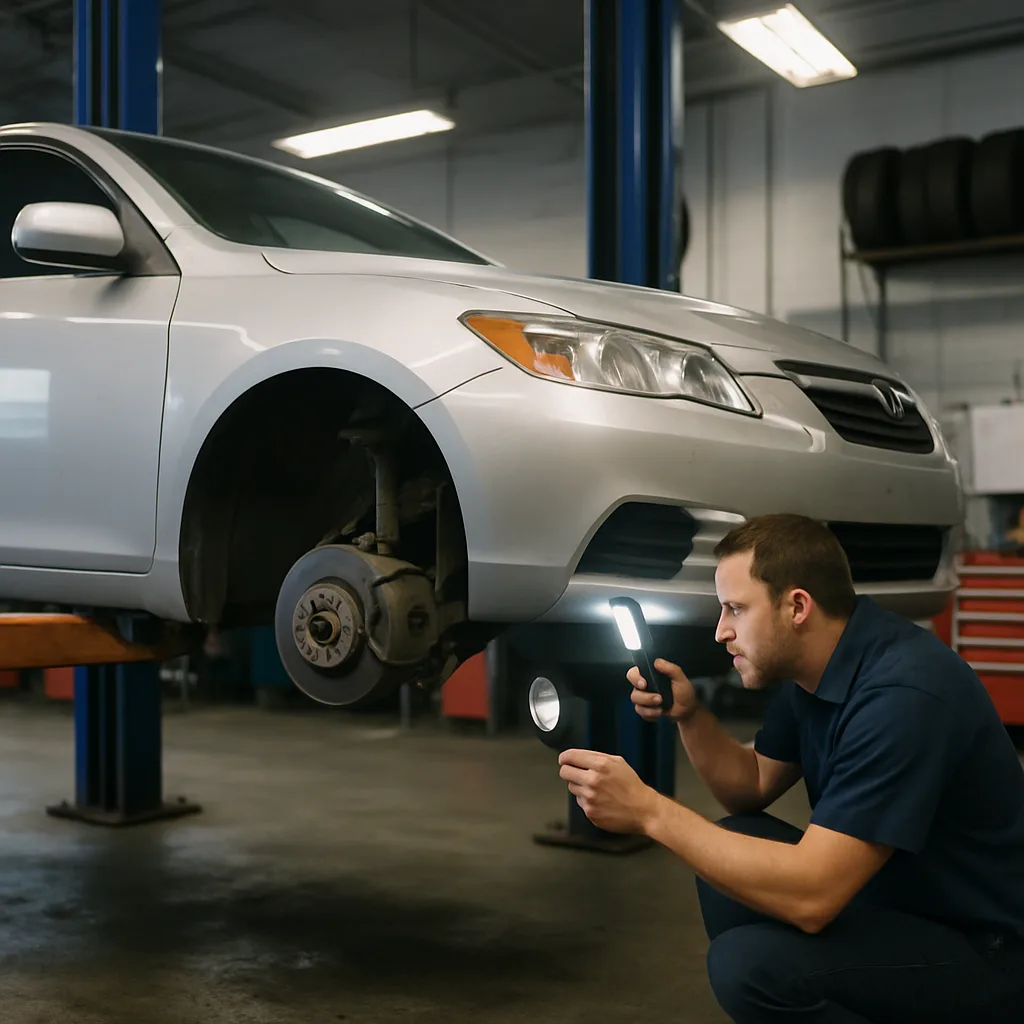
- Photos texted as we go
- Written report you can keep
- Licensed mechanics Alex and Dan
- Serving Orléans since 2013
Safety Standards Certificates vs. Pre-Purchase Inspections
A safety standards certificate checks that a car meets Ontario's minimum legal requirements for things like brakes, tires, and lights, and it's required to transfer plates on a used vehicle sale. A pre-purchase inspection is your choice, and it digs deeper into the car's real condition before you hand over your money.
People mix these two up all the time — someone calls asking for a safety when what they really need is a pre-purchase inspection, or the other way around. Here's the plain truth: a safety standards certificate is a legal box that has to get checked before a used car can change plates in Ontario. It looks at specific items: brakes, tires, lights, steering, structure. It does not tell you if the transmission is about to fail or if there's rust creeping through the floor pans.
A pre-purchase inspection is different. You're not selling the car — you're thinking about buying one, maybe from a private seller off a classifieds site or a smaller lot. We put it up on the hoist, check for leaks, worn suspension parts, hidden accident damage, and anything that might cost you down the road. We text photos as we go, so you're seeing exactly what we see, not just taking our word for it.
You found a car online, the ad photos look great, and the price seems fair. That feeling in your gut that says check it first? That's exactly when a pre-purchase inspection earns its keep. Here's the quick breakdown: a safety certificate passing doesn't mean the car is problem-free — it just means it met the minimum bar that day. Here's the difference at a glance:
- Safety standards certificate: required for used vehicle plate transfers in Ontario, checks legal minimums only
- Pre-purchase inspection: optional, deeper look at overall condition before you buy
- Both start with the same vehicle inspection process, but the checklist and purpose are different
When You Don't Need a Safety Inspection
Here's the truth. If you already own your car and you're just renewing your plate sticker, Ontario doesn't make you get a safety inspection every year. That surprises a lot of folks in Orléans who bring us their vehicle out of habit.
A Safety Standards Certificate only matters in specific moments, mainly when a vehicle changes hands. Selling your car privately? You'll need one. Buying a used car from a private seller? The seller needs to hand you one. Bringing a vehicle in from another province and registering it in Ontario? Same deal. But if your car is staying parked in your driveway and staying registered to you, none of that applies.
Bought your used car from a dealership instead of a private seller? The dealer already handled the certificate as part of the sale. You don't need to pay for a second one just to feel better about it. And if a certificate was already issued for the vehicle within the last 36 days for that same sale, it's still valid — no need to redo it.
One more thing worth saying plainly — if you're worried about the mechanical condition of a used car before you buy it, that's a different job. A safety inspection checks legal minimums for the road. It's not the same as digging into engine health or catching problems that won't fail you but will cost you down the line.
So before you book anything, ask yourself if a title or plate is changing hands. If it's not, save your time.
Winter Salt Damage and Common Inspection Failures
Winter is hard on cars around here. The city salts roads like Innes and Tenth Line Road heavily every storm, and that salt doesn't wash off on its own between plows. It sits in your wheel wells, soaks into brake lines, and works its way into rocker panels. We see it every single week. A car comes in for something small and we find rust eating away at a brake line or a control arm nobody knew about.
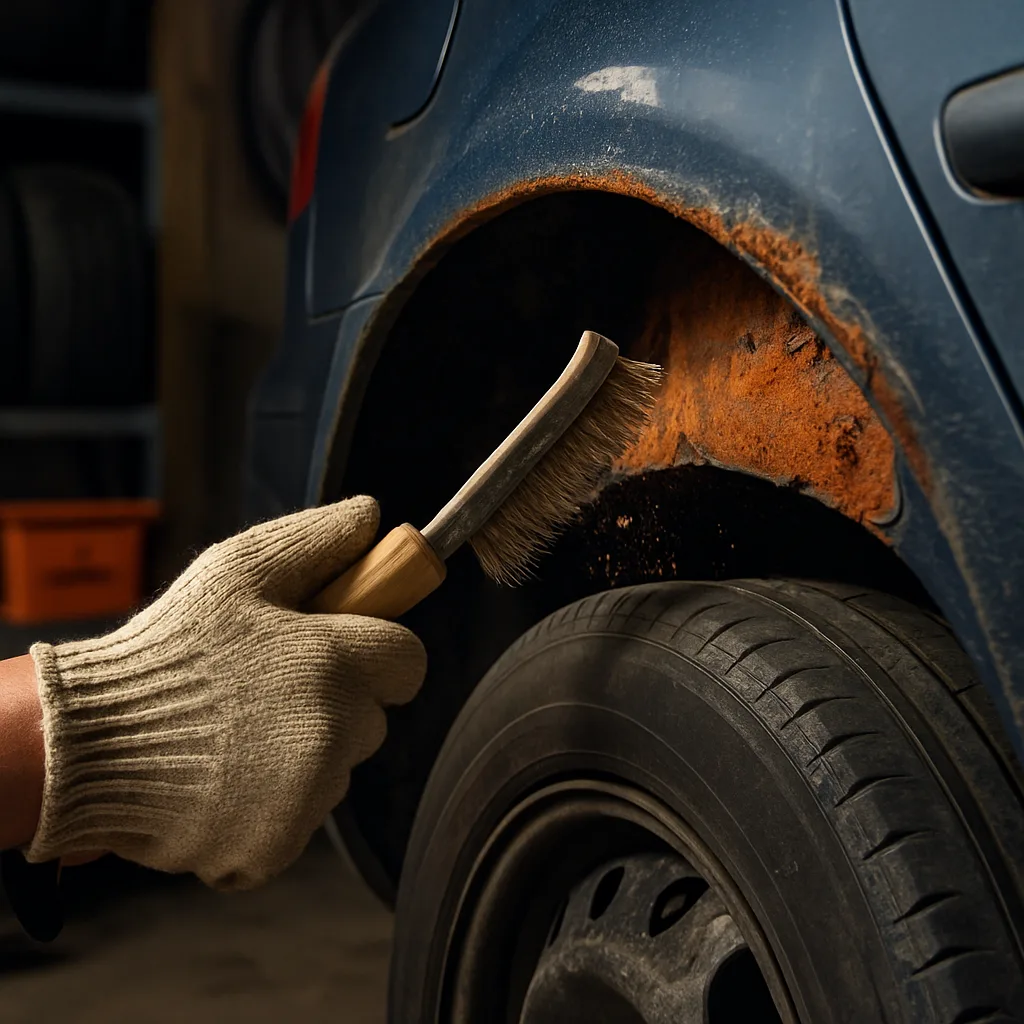
The failures we catch in late winter and early spring trace back to salt, not miles:
- Brake lines corroded from the inside out, especially on cars over eight years old
- Exhaust and muffler components rusted through near the rear axle
- Suspension parts like control arms and tie rods seized or cracked from rust buildup
- Rocker panels and frame rails showing surface rust that's turned into pitting
- Sensors and wiring connectors corroded from salt spray and slush
Here's the thing — rust doesn't announce itself. It just quietly weakens metal until something gives, usually at the worst possible time. If your car sits outside all winter and you drive it through slush on a regular commute, you're a good candidate for undercoating or rustproofing before the salt season really gets going. That's not a scare tactic — it's just how metal and road salt behave together.
So when we do a vehicle inspection in the winter or spring, we're looking harder at the underside than most people expect.
Registering an Out-of-Province Vehicle in Ontario
So you just moved to Orléans from another province, or maybe you bought a used truck from a dealer out west. Either way, Ontario won't just let you slap a plate on it and drive off. You need a Safety Standards Certificate first. That's the official name for what most people just call a vehicle inspection.
According to the Ministry of Transportation, the certificate has to be less than 36 days old when you register the car.[1] We see this every single week: someone drives up from Quebec or flies in from Alberta with a car that passed inspection back home, and it doesn't matter at all. Ontario has its own checklist and its own form:
- Brakes and brake lines checked for wear or corrosion
- Steering and suspension components inspected for looseness
- Tires checked for tread depth and damage
- All lights, signals, and wipers tested
- Seatbelts and frame checked, including rust on the underside
Orléans winters aren't gentle on the underside of a car. Road salt along Trim Road and St Joseph Boulevard eats away at brake lines and rocker panels faster than folks moving here from milder provinces ever expect.
If your car fails, we walk you through what needs fixing, plainly, no jargon. It's something small: a headlight bulb, worn wiper blades, a soft tie rod end. Once it passes, we hand you the paperwork, digital copy included, so you're not digging through a glovebox looking for it at the counter.
One trip. One certificate. One less thing standing between you and your new Ontario plate.
How Vehicle Inspection Pricing Works
Here's the honest truth about vehicle inspection pricing. It's not one flat number, and any shop that tells you otherwise before looking at your car isn't being straight with you. The base inspection covers a set checklist. But what pushes the cost up or down depends on your specific vehicle and what we find along the way.
A safety standards certificate follows a defined checklist, so that part stays consistent. Add-ons change things though — older vehicles with more rust, more moving parts to check, or a check engine light already on take longer to inspect properly. Here's what actually affects the price:
- Vehicle age and mileage, older vehicles often need a closer look at rust and wear points
- Whether it's a basic safety check or a full pre-purchase inspection with a road test
- Type of vehicle, trucks and larger SUVs sometimes take more time on the hoist
- Whether we find issues that need a second opinion before we can sign off
- How the vehicle's been maintained, a well-kept car moves through faster
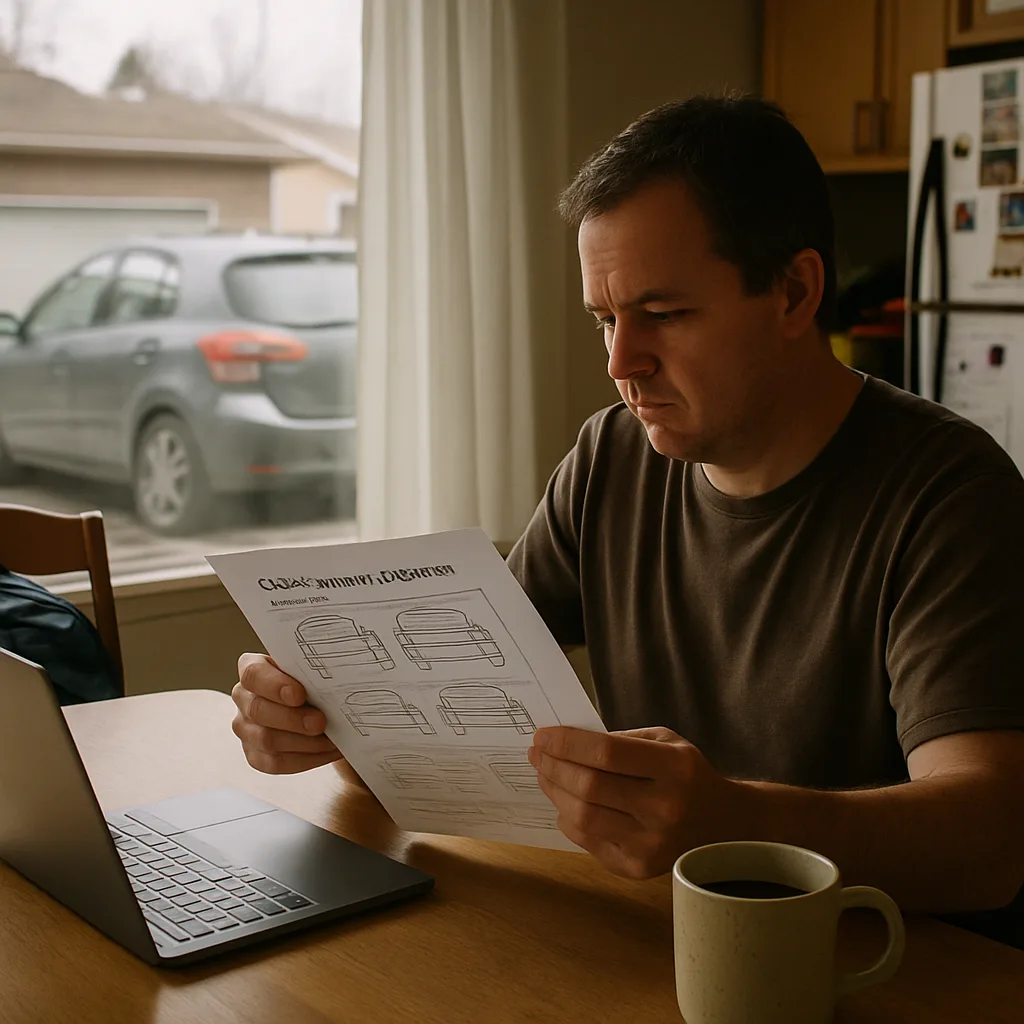
Before you book anywhere, ask what's included. Does it cover a road test? Does it include a written report you can keep? We text photos and notes so you can see exactly what we saw, nothing hidden, nothing rushed past you.
So don't judge a shop by the number alone. Ask what's covered, ask how they explain what they find, and you'll know pretty quickly if they're being upfront with you.
Frequently Asked Questions
What should I bring to my vehicle inspection appointment?
Bring your vehicle registration and, if you're selling or buying, any paperwork tied to the sale. If you're getting a Safety Standards Certificate for a plate transfer, we'll fill out the official form on the spot. For a pre-purchase inspection, just bring the car and let us know what the seller has told you about its history. That helps us know where to look first.
How long does a vehicle inspection take, and what happens after?
Most safety standards inspections and pre-purchase inspections take under an hour once the car is on the hoist. After we're done, you'll get a clear rundown of what passed, what failed, and what we noticed that's worth watching. For a pre-purchase inspection, we send photos as we go, so you see the same things we see before you decide anything.
Do I need a safety inspection just to renew my plate sticker in Orléans?
No, you don't need a safety inspection just to renew your plate sticker. Ontario only requires a Safety Standards Certificate when a vehicle changes ownership, like a private sale or bringing a car in from another province. If your car stays registered to you and parked in your own driveway, none of that applies. Save your time and skip it unless a title is changing hands.
What's the difference between a safety certificate and a pre-purchase inspection?
A safety certificate only checks that a car meets Ontario's legal minimums for things like brakes, tires, and lights. A pre-purchase inspection goes much deeper and looks at the car's real condition, including leaks, worn suspension parts, and hidden accident damage. If you're buying a used car off a classifieds site, the pre-purchase inspection is the one that protects your wallet down the road.
Will winter road salt affect my inspection results?
Yes, winter road salt is one of the biggest reasons cars fail inspection around here. Roads like Innes and Tenth Line Road get salted heavily every storm, and that salt eats into brake lines, control arms, and rocker panels from the inside out. We check the underside harder in late winter and early spring because that's when rust damage from the salt season shows up most.
Do I need a new safety certificate if I'm registering an out-of-province vehicle in Orléans?
Yes, Ontario requires its own Safety Standards Certificate even if your car already passed inspection in another province. The certificate also has to be less than 36 days old when you register the vehicle at ServiceOntario. We check brakes, steering, tires, lights, and rust on the frame, since Orléans winters along St Joseph Boulevard are tough on the underside of any car.
Sources
- Ministry of Transportation (2026). https://www.ontario.ca/page/safety-standards-certificate ↩