
Orléans, Ontario · St. Joseph Blvd
Windshield Wiper Replacement in Orléans
Fifteen minutes, arms and connectors checked — not just the blade length off the box.
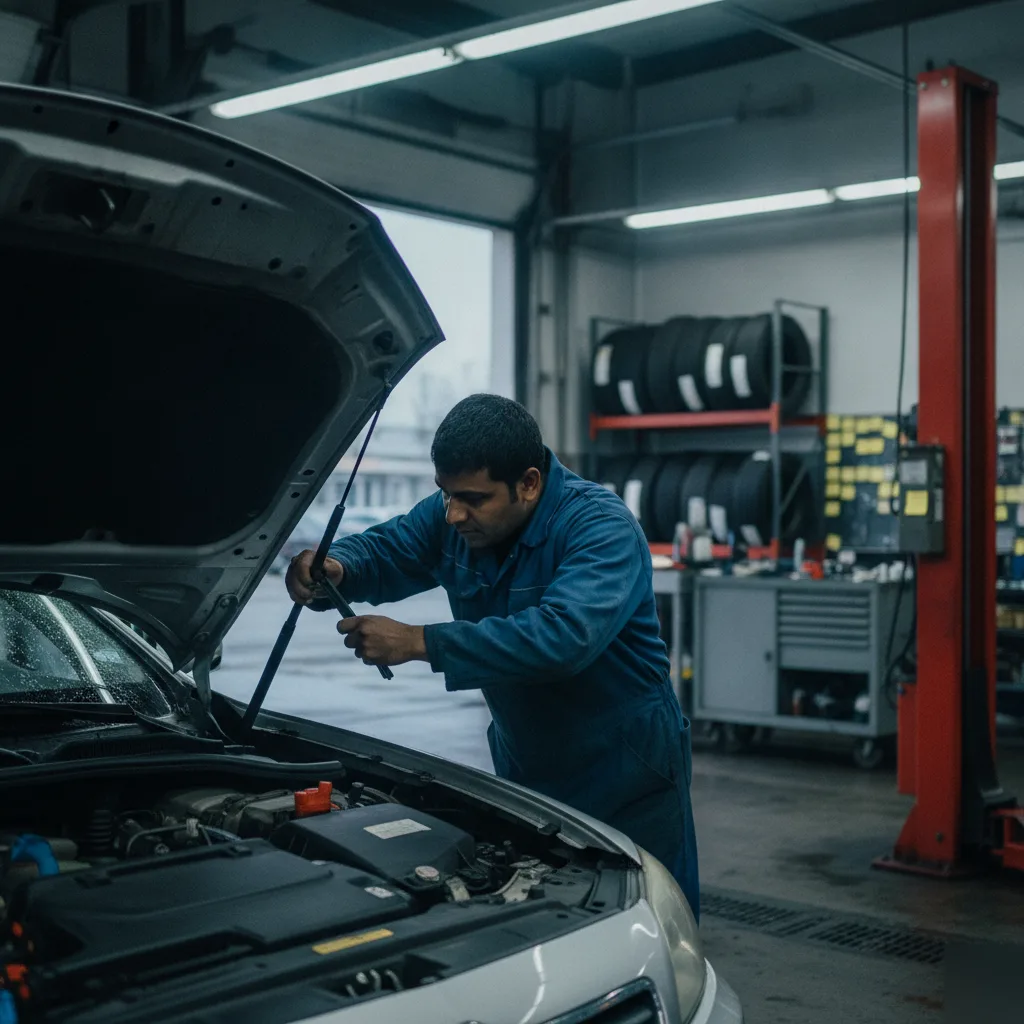
- Arms checked, not just blades
- TechNet Professional facility
- Licensed mechanics Alex and Dan
- Serving Orléans since 2013
Warning Signs You Need New Wiper Blades
Streaking, skipping, squeaking, and cracked rubber are the main signs your wiper blades need replacing. If a quick wipe-down doesn't fix it, the rubber itself has likely worn out and it's time for new blades.
You're driving down Innes Road in a downpour and suddenly you can't see the lane markings. People usually call us at that moment. But the signs show up long before that scary drive, if you know what to look for.
Streaking is the big one. If your wipers leave a hazy film or a smeared arc across the glass, the rubber edge has probably hardened or worn down. Skipping is another. The blade catches, jumps a little, then catches again instead of gliding smoothly. And that awful squeak? That's the rubber telling you it's done its job and it's ready to retire. Here's what to watch for:
- Streaks or a foggy film across the windshield after each pass
- Chattering, skipping, or juddering instead of smooth contact
- A high pitched squeak on every swipe
- Visible cracks, splits, or chunks missing from the rubber edge
- A blade that's lifted off the glass or bent out of shape
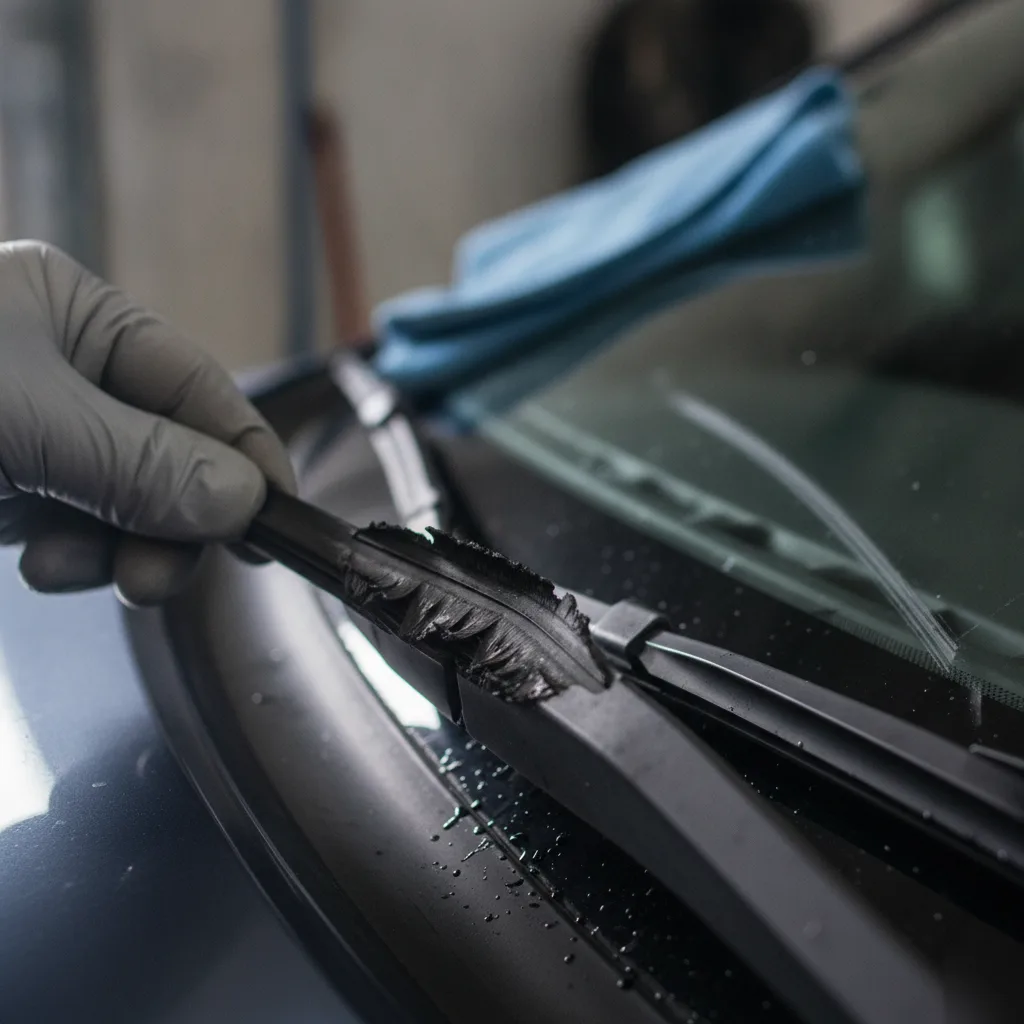
Not every streak means new blades. Sometimes it's just road grime or salt film sitting on the rubber, and a good wipe-down with a cloth clears it right up. We see this every week; someone's sure they need new blades, and it turns out to be dirty glass. Try cleaning both the blade and the windshield first before you assume the worst.
Orléans winters are hard on rubber. Salt, sand, and freeze-thaw cycles dry it out fast, so blades here often wear out sooner than the box label suggests. If your blades are more than a year old and you're seeing any of these signs, don't wait for the next storm to find out.
When It's Fluid or Film, Not a Bad Blade
Not every streak means you need new blades. We check this every week and a good chunk of the time, the rubber's fine. The real problem is what's on your glass, not what's wiping it.
Road film builds up fast on Orléans roads once winter salt spray starts flying off Innes Road and St Joseph Boulevard. That film coats the windshield. No blade, new or old, glides clean over it. So you get streaking, squeaking and skipping, and you assume the wipers are shot. Got any of these going on:
- Streaks that come and go depending on how dirty the glass is, not constant streaks
- Squeaking right after a car wash but quiet a day later
- Washer fluid that's low, watered down, or frozen in the line
- A greasy or waxy film you can feel with your finger on dry glass
- Blades under a year old that suddenly act worn
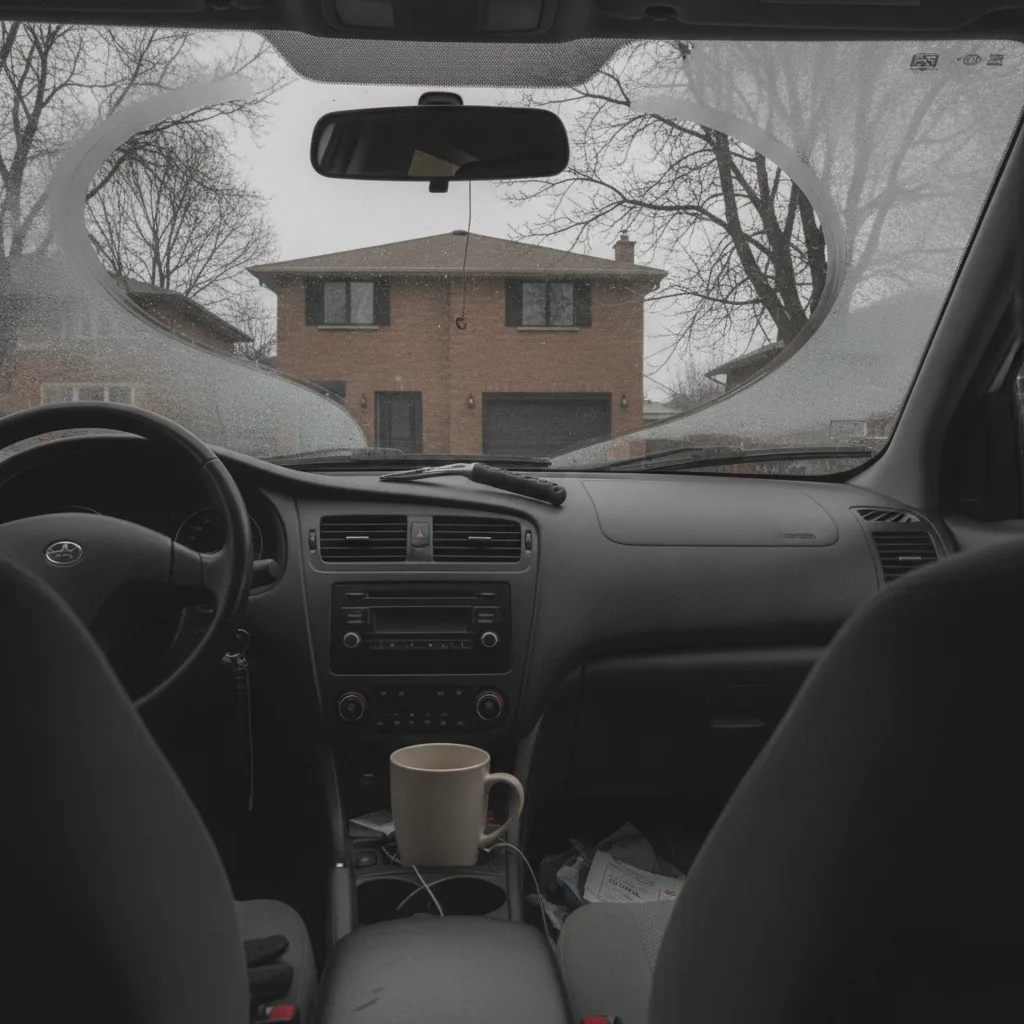
Here's a quick test before you spend a dime. Clean the windshield inside and out with glass cleaner, both sides. Then run the wipers dry a few times. Better? It was a film. Still chattering and leaving the same gap every pass? That's the blade, not the glass.
Old or diluted washer fluid causes its own mess too. It smears instead of clearing, and in a cold snap it can freeze right in the reservoir or lines. That's a fluid problem, not a wiper problem, and no amount of blade shopping fixes it.
Choosing the Correct Blade for Your Vehicle
Not every wiper blade fits every car, even when the box says universal. We see this every week. Someone grabs a set off a shelf, gets home, and the clip does not match their arm. Length matters too. Most vehicles use a different size on the driver side than the passenger side, and some have a shorter one just for the rear glass.
So what decides the right wiper blade? Three things: arm connector style, blade length, and beam type. Some cars use a hook style; others use a pin or side lock. Get the connector wrong, and the wiper blade will rattle or pop off mid wipe. Blades generally fall into three types:
- Conventional blades with an exposed metal frame, good for mild weather
- Beam blades with a solid rubber spine, better at shedding ice and snow
- Hybrid blades that mix both designs for a smoother wipe in mixed conditions
Winter in Orléans is hard on wipers. Freezing rain one day, packed snow the next, then a thaw that turns everything to slush on the Queensway. Beam style blades tend to hold up better through that cycle because ice does not build up in the frame joints the way it does on older conventional designs.
Your owner's manual lists the exact sizes for your make and model. But the numbers only matter if you also match the connector correctly. Get one right and the other wrong, and you are back to square one.
We check both when we install, not just the length.
What to Expect During Blade Replacement
You don't need an appointment that eats your whole afternoon. Most wiper jobs take fifteen minutes, sometimes less. We check your wiper arms too, not just the blades. A bent arm or loose linkage will chew through a brand new blade in a few weeks; we've seen that happen more than once. Here's what a typical visit looks like:
- We pull up your vehicle and check the current blade size and style
- We test the arm tension and look for rust or bending at the pivot point
- We match the correct blade type for your make and model
- We install and lock the new blades onto the arms
- We run the wipers dry to check for even contact across the glass
- We check the washer fluid spray pattern while we're in there
That last step matters more than people think. A clogged washer nozzle means you're smearing dust across your windshield instead of clearing it, blade or no blade. If your washer fluid line has a slow leak or a frozen nozzle from an Orléans cold snap, we'll flag it while we've got the hood up.
We're a TechNet Professional Automotive Service facility. Even a quick job like this gets done to the same standard as bigger repairs. If something looks off with your wipers that isn't a simple blade swap, we'll tell you before we touch anything.
Wipers, Winter, and Your Safety Standards Certificate
Here's something a lot of folks don't know. If you're selling a car or buying a used one in Ontario, the Ministry of Transportation says it needs a safety standards certificate. Your wipers are part of that check.[1]
A technician doing that inspection looks at whether your wipers clear the glass. Torn rubber, a blade that skips, one that leaves a smear right in your line of sight — any of that can hold up the paperwork. We do these inspections regularly. Worn wipers are one of the easiest things to catch, and one of the easiest things to fix before the appointment.
Now think about Orléans winters for a second. Freezing rain off the Ottawa River, then a plow goes by and kicks up salt spray on Trim Road or St Joseph Boulevard, then it refreezes on your windshield overnight. Your wipers take a beating in weather like that. Rubber gets brittle in the cold. It cracks along the edge, and you won't always notice until you're on the highway with spray coming off a transport truck and suddenly you can't see.
Here's what fails during a check or a storm:
- Blade edges cracked or chunked out from ice scraping
- Rubber gone hard and glassy from UV and cold cycles
- Streaking that gets worse, not better, as the wiper runs
- Frame arms bent from someone forcing a frozen blade off the glass
Any one of those is enough to fail a safety standards certificate inspection. Any one is enough to make a January drive down Innes Road feel a lot more stressful than it needs to be.
Frequently Asked Questions
How do I know if I need new wiper blades or just a clean windshield?
Try cleaning your windshield first before buying new blades. Wipe both sides of the glass with glass cleaner, then run the wipers dry a few times. If the streaking stops, it was just road film or salt spray, common on Innes Road and St Joseph Boulevard in winter. If the same gap or chatter shows up again, the rubber itself is worn out. This quick test saves you a trip and tells you exactly what's wrong.
What happens when I bring my car in for wiper blade replacement?
We check your wiper arms and blade size before installing anything new. A technician tests the arm tension for rust or bending, matches the correct blade type for your vehicle, and locks the new blades in place. We also run the wipers dry to check for even contact and look at your washer fluid spray pattern. Most visits take about fifteen minutes. If we spot a bigger issue, like a bent arm, we'll tell you before doing any work.
How often do wiper blades need replacing in Orléans?
Plan on replacing your blades more often than the box suggests, usually within a year. Salt, sand, and the freeze-thaw cycles common through Orléans winters dry out rubber faster than mild climates do. If you notice streaking, skipping, or squeaking during a downpour on Innes Road, your blades are likely past their prime. Checking them at the start of each winter is a simple habit that keeps your visibility sharp when storms roll in.
Do worn wiper blades affect my Ontario safety standards certificate?
Yes, your wipers are part of the safety check needed to sell or register a used car in Ontario. A technician doing that inspection looks at blade condition along with everything else on the checklist. If your blades are cracked, skipping, or leaving streaks, that can hold up the certificate. Getting them replaced ahead of an inspection is a quick way to avoid a delay or a second visit.
What type of wiper blade works best for Orléans winters?
Beam style blades tend to hold up better through Orléans winters than older conventional designs. Their solid rubber spine sheds ice and snow more easily, and it doesn't build up ice in the frame joints the way an exposed metal frame can. That matters when freezing rain turns to packed snow and then slush on the Queensway within the same day. We match blade type to your vehicle and driving conditions, not just to the size listed in your manual.
Sources
- Ministry of Transportation (2026). https://www.ontario.ca/page/safety-standards-certificate ↩